The Application Question Nobody Talks About Enough
You've picked your oil, you've opened the bottle, and now you're about to dab it on - but where exactly? Most people default to the wrist because that's what they've always seen done. Some rub both wrists together (don't do this, by the way). And a few swear by applying directly to clothes. All three camps have a point, but none of them is completely right for every situation.
With concentrated perfume oils specifically, application placement matters more than it does with alcohol-based sprays. The skin chemistry interaction, heat generation, and fabric absorption all behave differently when there's no carrier alcohol involved. Here's how to think through it properly.
How Pulse Points Actually Work
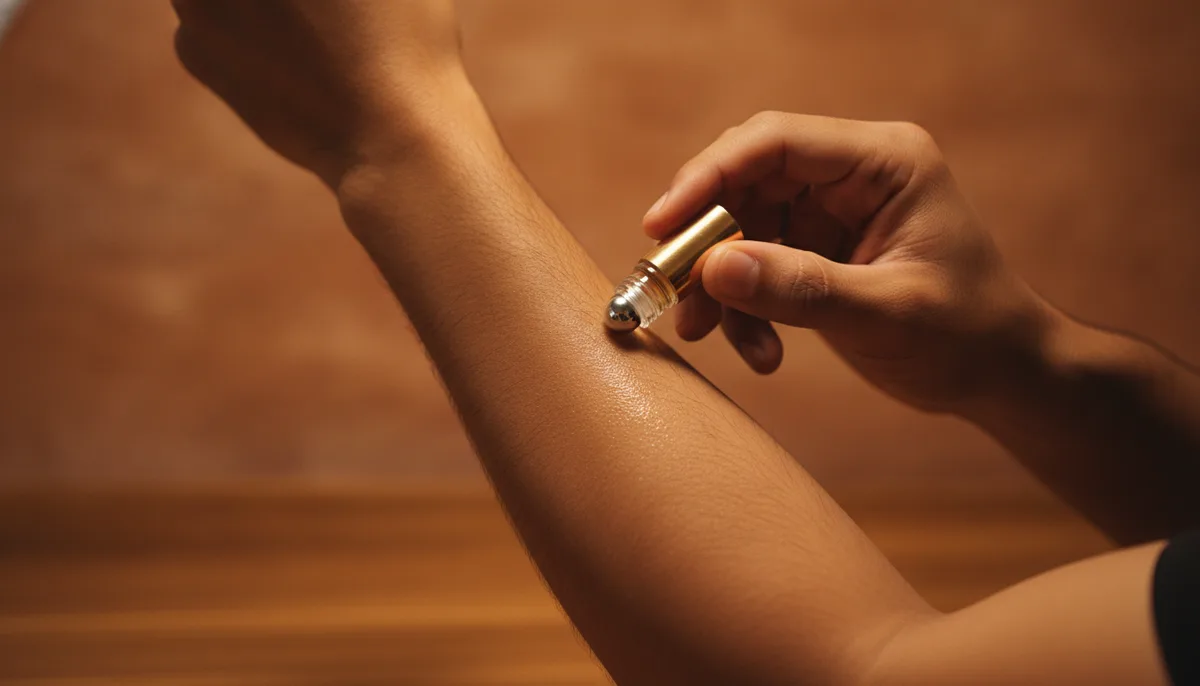
Pulse points are spots where blood vessels sit close to the skin surface - your wrists, inner elbows, the sides of your neck, behind your ears, and the backs of your knees. The warmth these areas generate helps volatilize fragrance molecules, which is a fancy way of saying heat pushes the scent into the air around you.
For perfume oils, pulse points do two things: they help the oil spread and warm up, and they let your skin chemistry interact with the formula. This is where you get the classic "this smells different on me than on my friend" effect. Your skin's pH, hydration level, and even diet influence how the top and heart notes develop.
The Wrist: Overrated but Still Useful
The wrist is the most accessible pulse point, but it's also the most problematic for daily wear. You wash your hands constantly, you touch surfaces, you rub your wrists against things without thinking. For a long workday in a city like Chennai or Mumbai where you're commuting, sweating, and constantly using your hands, the wrist is going to give you maybe 2-3 hours before the oil is mostly gone from that spot.
Still useful for testing - if you want to smell how an oil develops over time, wrist application gives you easy access to sniff throughout the day. Just don't rely on it as your primary application point if longevity is the goal.
The Neck and Behind the Ears: Where Projection Happens
The sides of the neck and the space just behind your earlobes are genuinely underrated. Heat rises, so applying oil here means the scent naturally drifts upward and outward - right into the space around your head where people actually notice it. This is your sillage zone. If you want someone standing next to you to catch a whiff when you turn your head, this is where the oil goes.
One note of caution: if you have sensitive skin or are prone to contact dermatitis, some concentrated oils can irritate the neck area where fabric rubs. Test a small amount first and give it 30 minutes before committing to a full application.
Inner Elbows and Behind the Knees: The Long Game
These spots stay warm, they're protected from washing and rubbing, and they release scent gradually as your body temperature fluctuates. Inner elbows are particularly good for gourmand or woody oils that you want to smell on yourself throughout the day rather than projecting hard to everyone around you. Try Moonlit Coffee at the inner elbow - the coffee and warm base notes develop slowly in a way that's genuinely satisfying across six to eight hours.
Applying to Clothes: The Case For and Against
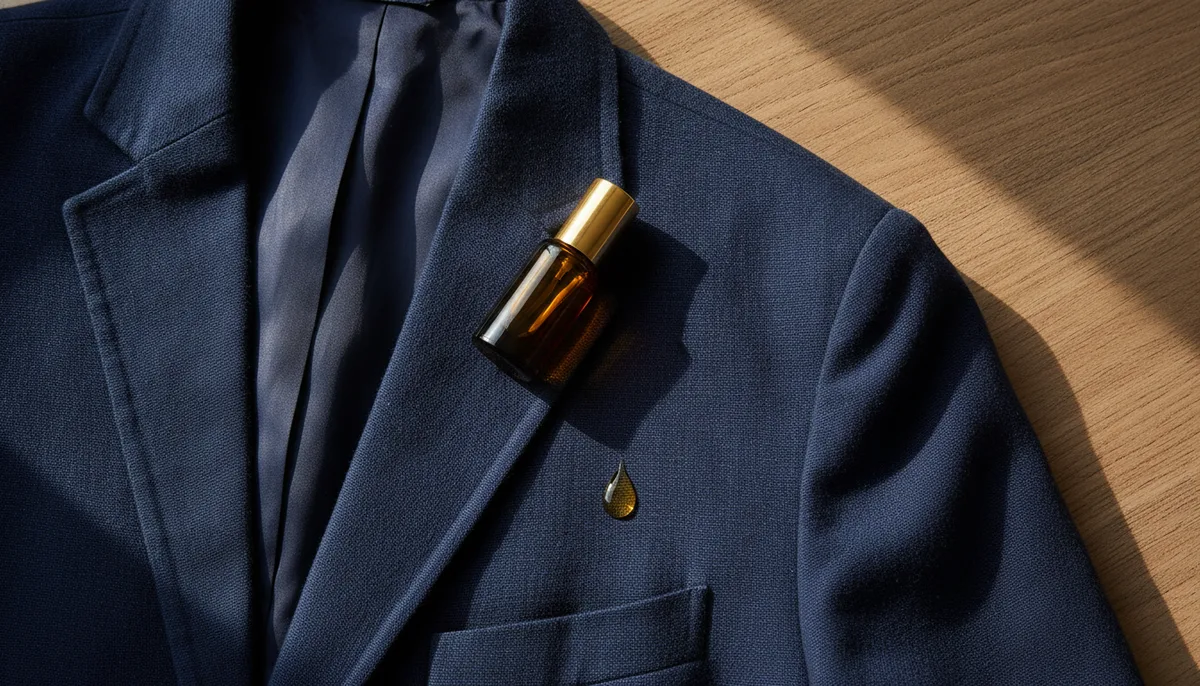
Fabric application is where things get interesting - and where a lot of people make mistakes with oils specifically.
Why Fabric Works Differently
When you apply oil to fabric, you lose the skin chemistry element entirely. The scent doesn't evolve or interact with your body's warmth and pH - it just sits and releases from the fibers over time. This actually works in your favor for longevity: a well-chosen fabric can hold an oil for days. Your kurta or shirt can carry the scent long after a pulse point application has faded.
Projection from fabric also behaves differently. Instead of a bubble of scent around your body, you get waves of fragrance as the fabric moves - when you swing your arms, when your collar flips, when you sit down and your shirt shifts. It's a different kind of presence, more intermittent but sometimes more noticeable to others.
The Problem With Oils on Fabric
Here's the part that stings: oils can stain. Not always, and not all fabrics equally, but a concentrated oil on a light-colored shirt or a silk kurta is a real risk. The oil itself leaves a mark, and if the formula contains darker pigments (some oud and spice blends run darker), you can get a permanent stain that no amount of washing will fix.
Safe fabric application rules: stick to darker fabrics, apply to the inside of a collar rather than the outside, avoid silk and anything dry-clean-only. Cotton and synthetic blends handle oils reasonably well. If you're wearing your best white linen kurta for Eid or a wedding, keep the oil on your skin only.
Clothes That Work Best for Fabric Application
Dark cotton shirts, hoodies, and the inside hem of a jacket are your safest options. The inside of a jacket collar is actually ideal - it stays warm from body heat, it's protected from accidental rubbing, and it releases scent consistently throughout the day. A few drops of something like Quiet Prestige on the inner collar of a blazer before a long meeting can hold for the entire workday without you needing to reapply.
The Hair Application Trick
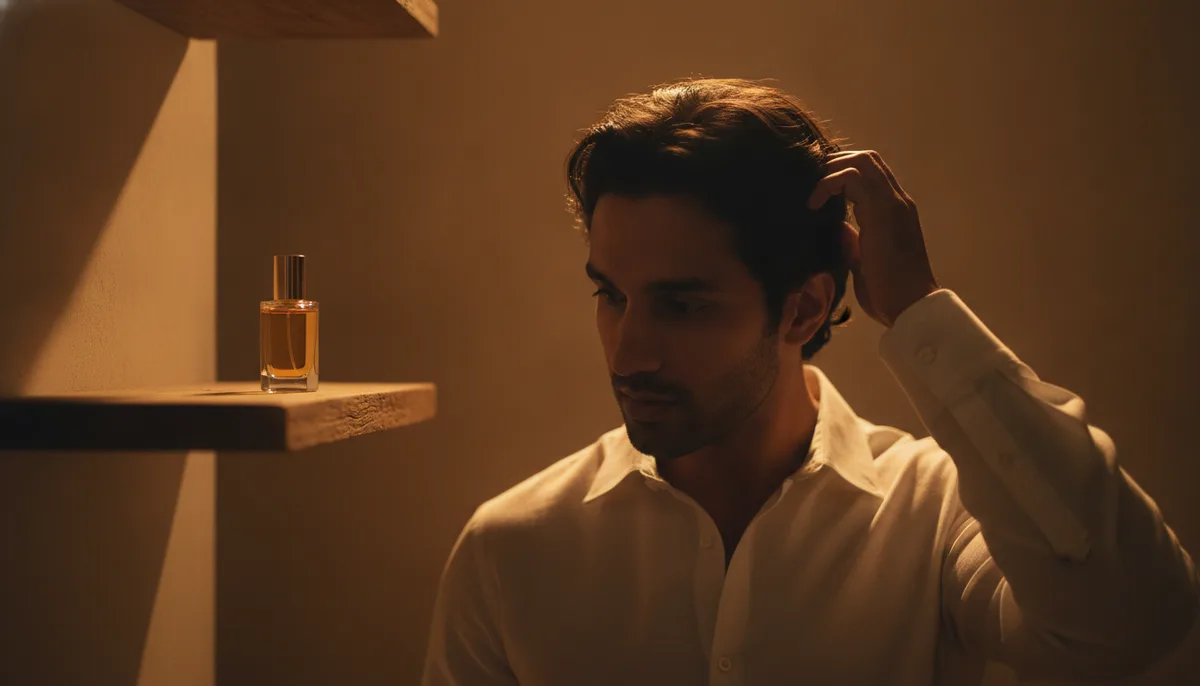
This one gets overlooked but it works. Hair holds fragrance exceptionally well because the porous structure of the hair shaft absorbs oil and releases it slowly with movement. Every time you move your head, run your fingers through your hair, or someone leans close, there's a fresh release of scent.
Apply sparingly - one small dab on your palms, run through the ends of your hair, not the scalp. Heavy oil application at the roots can look greasy. This works particularly well with oud-forward oils: Oud After Dark in the hair is one of those combinations that genuinely turns heads. The oud note clings to hair differently than skin and develops a slightly smokier, more resinous character that lasts through an entire evening out.
Layering Placement for Maximum Effect
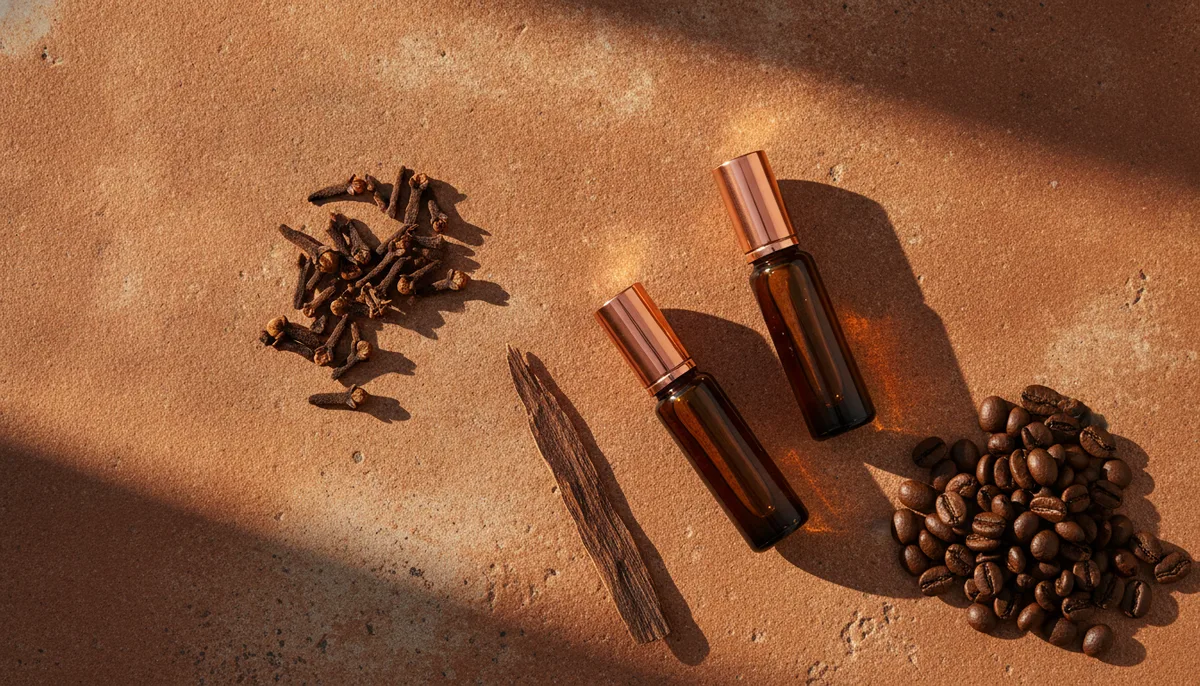
If you're applying more than one oil, or layering a cream or moisturizer underneath, placement strategy gets more deliberate. A common approach: apply your base layer oil to the inner elbows and behind the knees where it'll last longest and develop slowly, then apply your primary scent to the neck pulse points where it projects. This separates the two layers spatially and lets each one do its job without muddying the other.
For festivals or special occasions - a night out in Bangalore, a Diwali party - you can also hit the chest just below the collarbone. This spot is warm, protected by clothing, and gives long-wearing performance while still projecting upward toward nose level. A spicy or gourmand oil here is a genuinely good call. Smoked Desire on the chest with oud at the neck is a combination that works well for evening wear when you want the scent to carry a room.
What to Avoid Regardless of Placement
A few application habits that people carry over from spray perfumes that don't work with oils:
- Rubbing wrists together - this breaks down the top notes and changes how the oil develops. Dab, don't rub.
- Applying to very dry, flaky skin - oils need a surface to bind to. Moisturize first, then apply the oil on top.
- Over-applying and then trying to fix it - you can't wash off an oil the way you can water down a spray. Apply conservatively, wait 15 minutes, and add more if needed.
- Applying to freshly exfoliated skin immediately - your skin barrier is vulnerable right after a scrub. Give it an hour before applying concentrated oils.
The Practical Formula
For daily wear: neck pulse points plus inner elbows. For projection-heavy situations: neck, chest, and hair. For longevity on a long travel day: inner elbows, behind the knees, and a light application to a dark fabric layer. For testing: wrist only, with no rubbing, and check back at 30 minutes and two hours.
Concentrated oils give you more control over your scent than sprays ever will - but only if you're deliberate about where you put them. The bottle is powerful. Placement is what shapes how that power actually shows up.