The Problem With Alcohol Sprays in Indian Weather

Spray a regular EDT on your wrist in Mumbai in May. Give it 20 minutes. That's it. The alcohol burns off fast in the heat, taking most of the fragrance with it. You're left with a faint ghost of whatever you just applied, and you're reaching for the bottle again by lunchtime.
This isn't a brand problem. It's a format problem. Alcohol-based fragrances are designed for climates that don't hit 38-42°C for four straight months. In India, especially from March through June, that formula works against you. The heat accelerates evaporation, and suddenly a bottle that should last six months is gone in two.
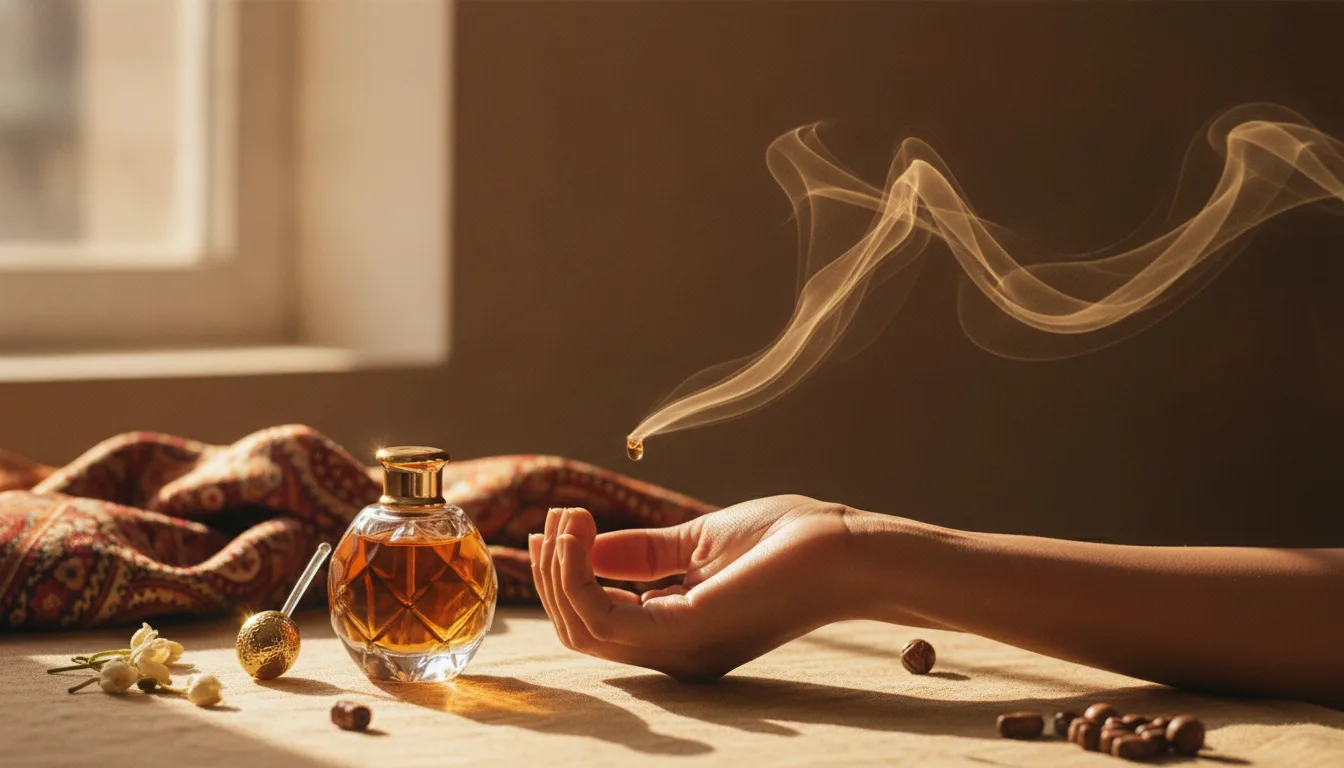
Concentrated perfume oils work differently. No alcohol base means no flash evaporation. The oil sits on your skin, warms up with your body temperature, and releases fragrance slowly over hours. In Indian heat, that's not just a minor advantage. It's a completely different experience.
How Longevity Actually Works on Skin
Fragrance longevity depends on two things: what the molecules are and how they're delivered. Heavy molecules like musks, ambers, resins, and ouds naturally cling to skin longer. Lighter ones like citrus and green notes evaporate first.
In an alcohol spray, all these molecules are competing with the carrier solvent burning off. In an oil, those same molecules sit in a stable base that doesn't evaporate. The result is that even lighter top notes in an oil blend tend to last longer than they would in an EDT, because they're not being dragged off by alcohol evaporation.
For Indian skin tones, which tend to run slightly warmer on average, oils perform even better. The warmth helps diffuse the fragrance outward steadily without blasting it all at once. You get projection without the initial wall of scent that some alcohol-heavy sprays open with.
Sillage Without the Spray Cloud
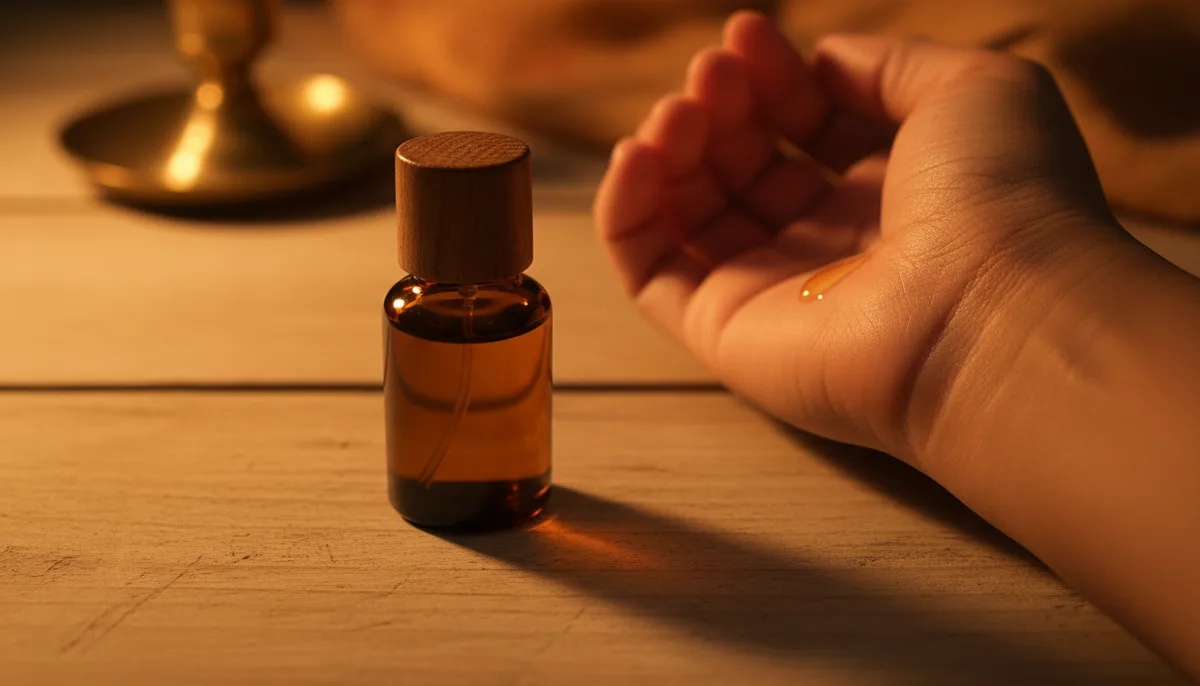
One real concern people have when switching to oils is sillage. The assumption is that a spray gives you more projection. This isn't quite right.
What a spray gives you is an immediate burst. If you're comparing a single spray to a dab of oil, the spray will hit harder in the first 60 seconds. But try checking back at the two-hour mark and the six-hour mark. Oils, especially concentrated ones built around base-heavy accords like oud, sandalwood, amber, or tobacco, will still be projecting when the spray has gone quiet.
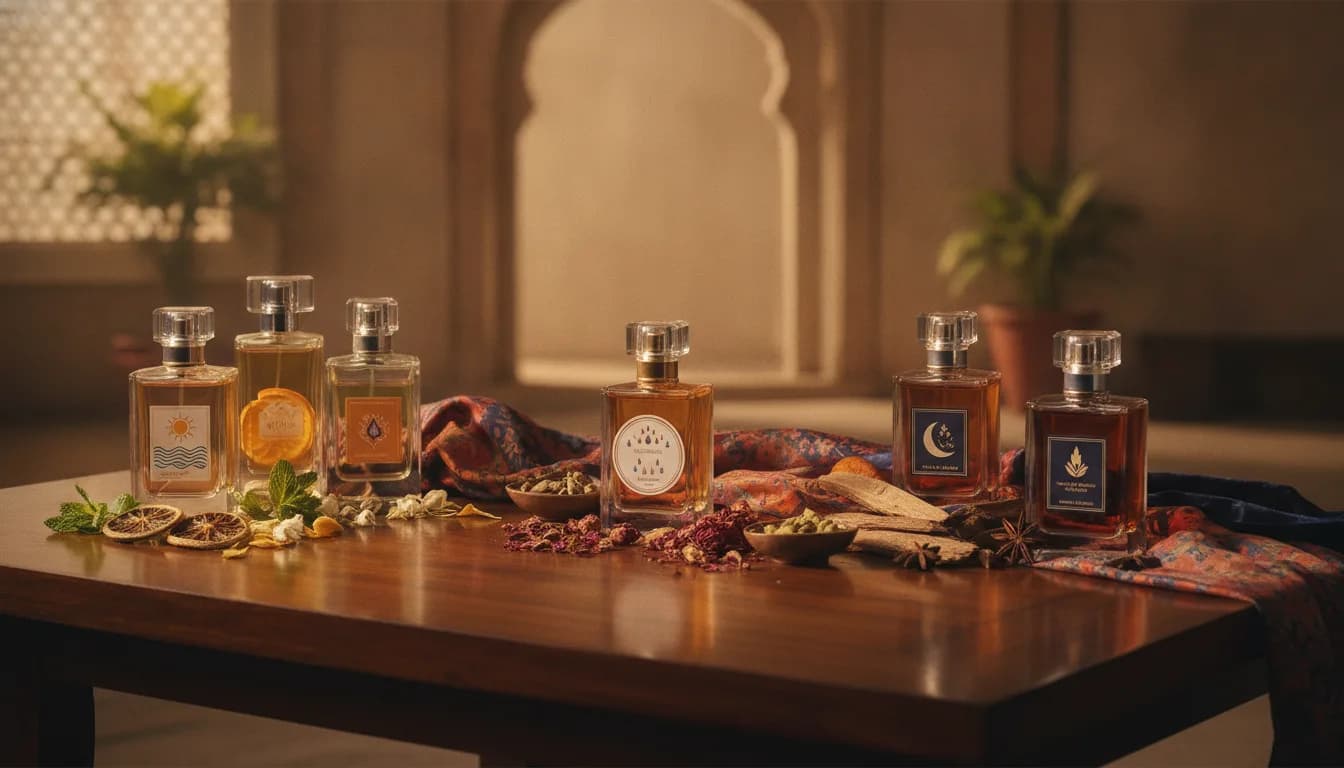
Take something like Velvet Oud applied to your pulse points. The oud accord is thick enough to throw scent for hours, and because it's oil-based, it doesn't spike and crash. It builds slowly and stays. That's the kind of sillage that actually gets noticed at a dinner table three hours into the evening.
Concentrated Oils and Indian Festivals
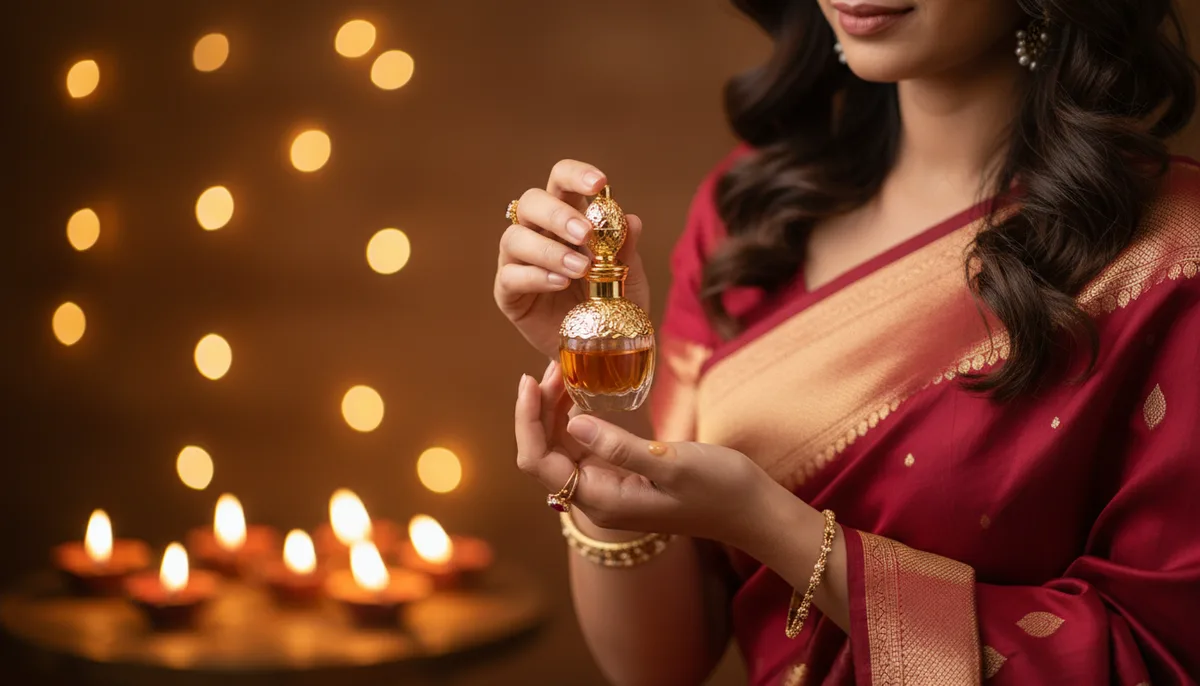
During Diwali, Eid, weddings, or any function that runs from the afternoon mehendi into a late-night dinner, you need a fragrance that lasts the full stretch. Reapplying at a venue is awkward. Pulling out a large spray bottle at someone's shaadi and dousing yourself mid-function is not really an option.
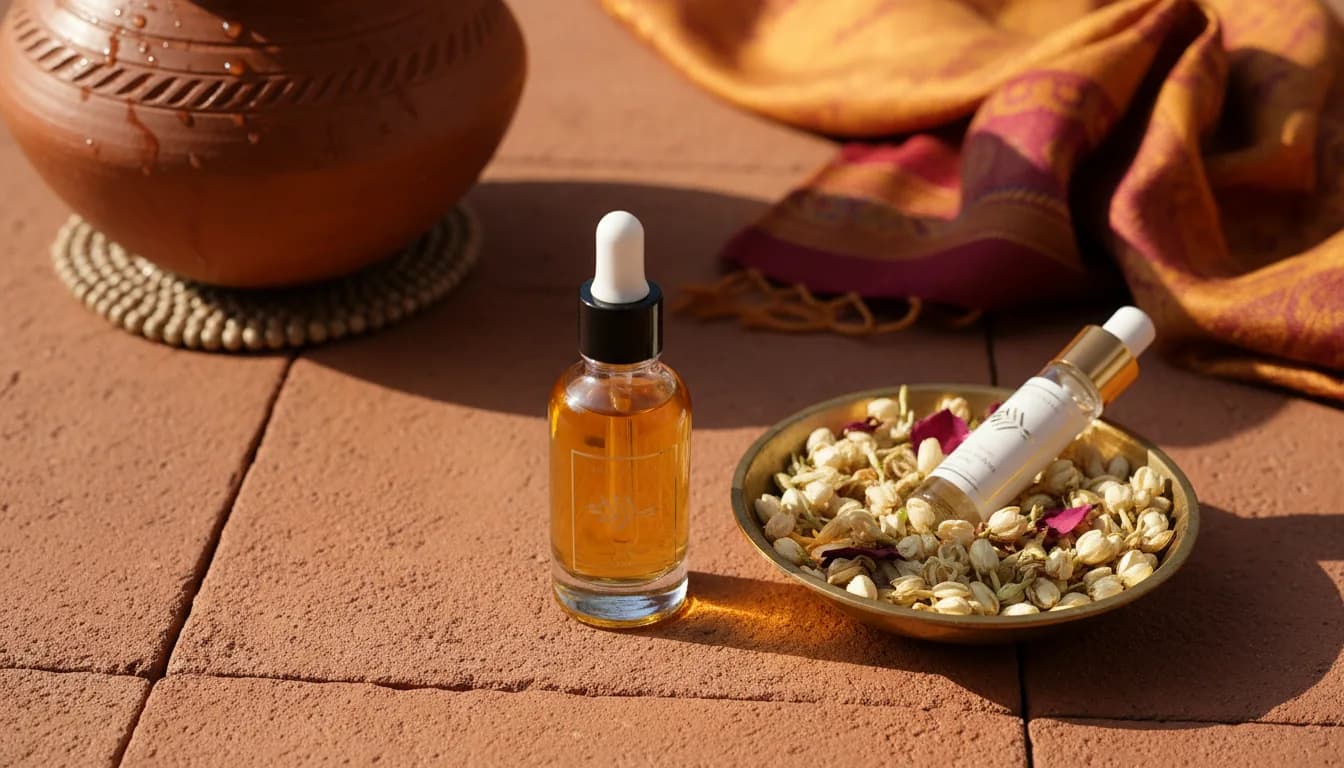
A small 12ml oil bottle fits in a kurta pocket or a clutch. A couple of dabs before you leave home, one more at the venue if needed, and you're set for the entire event. For heavy, occasion-appropriate scents like Midnight Saffron with its saffron-and-oud core, the oil format means the richness lingers the way it should through a full evening without needing a top-up.
Application: Getting It Right
Where to Apply
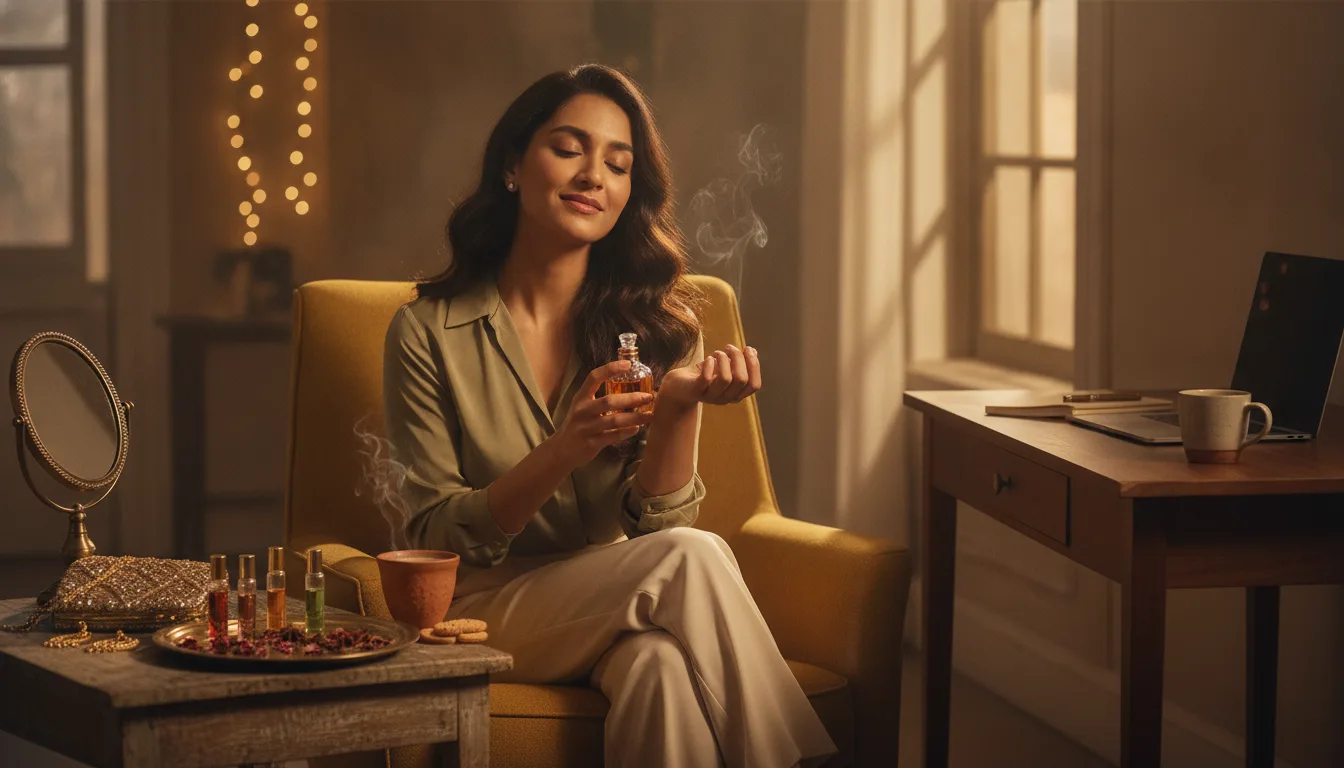
Pulse points are the standard recommendation for good reason: wrists, inner elbows, neck, behind the ears. These spots are warmer and help diffuse the scent. For oils specifically, you can also apply to the chest if you're wearing an open collar, or even the back of your knee if you want a subtle trail when moving through a room.
How Much Is Enough
Less than you think. Concentrated oils are exactly that - concentrated. One or two dabs per pulse point is sufficient. More doesn't mean better projection; it often means you're just overwhelming the notes and the people immediately around you. Start with less. Let it settle for 10 minutes before deciding if you need more.
Layering With Body Products
Unscented moisturiser applied before the oil makes a real difference in longevity. The oil has something to anchor to rather than absorbing straight into dry skin. Avoid strongly scented lotions that will compete with the fragrance. A plain shea butter or cocoa butter base works well.
Which Fragrance Families Work Best as Oils
Honestly, most of them do. But certain families are particularly suited to the oil format.
Ouds and resins are naturals. These are traditionally oil-based anyway, rooted in Middle Eastern and South Asian attar culture. Something like Oud After Dark carries that lineage directly. The dark, smoky oud accord needs a slow release to show all its facets, and oil delivers exactly that.
Gourmand and spice-heavy blends also work brilliantly in oil. The warmer the base, the better they read when carried by skin heat. Obsidian Flame with its spicy depth is the kind of scent that benefits from the gradual reveal an oil format provides rather than a single aggressive spray-and-walk-away.
Woody and green scents can work but require a bit more attention to application, as some lighter woody notes can fade faster in oil than in alcohol. Applying to warmer spots on the body helps. The denser the wood - sandalwood, oud wood, vetiver - the better the oil performance.
The Practical Case for Oils in India
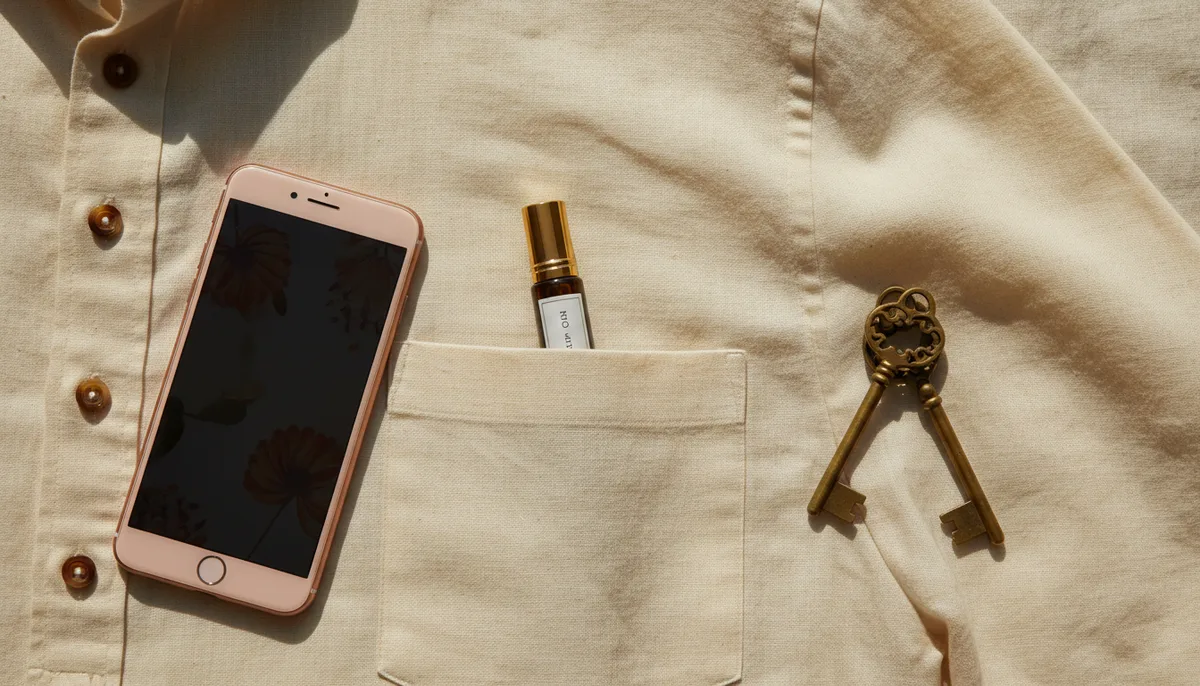
Set aside performance for a second and look at the practical reality. A 12ml concentrated oil bottle travels easily. It won't set off security alerts at an airport. It doesn't have a pump that fails, a nozzle that clogs, or a glass bottle that shatters in a bag. For daily commuters in Bangalore, Delhi, or Chennai dealing with heat, crowds, and limited bag space, that matters.
Cost-per-use is also significantly better. Concentrated oils require smaller quantities per application. A 12ml bottle with concentrated oil typically outlasts a 50ml EDT by a comfortable margin if used consistently. At roughly the same price point or less, the economics are solid.
Making the Switch
If you're used to sprays, the transition to oils takes about a week to calibrate. You'll instinctively want to apply more than you need. Resist that. You'll also notice that the opening is different - less aggressive, more intimate. Give it the 15-minute window before judging the scent. Most oils open quieter and bloom into something stronger as they warm on skin.
The payoff is a fragrance that performs through a full Indian summer day, a late-night function, or a long-haul train journey without needing three top-ups. For anyone who's been frustrated by sprays disappearing by noon, that alone is reason enough to make the switch.