What Projection and Sillage Actually Mean
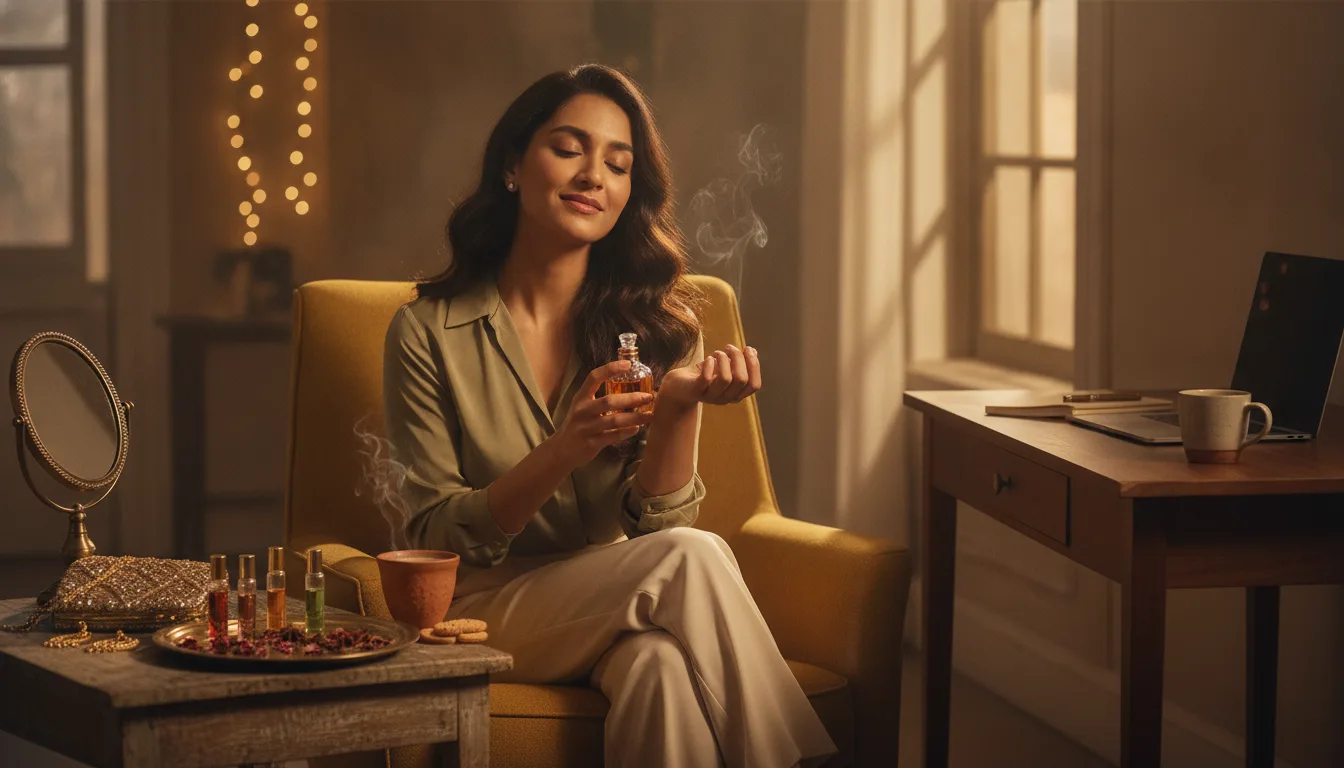
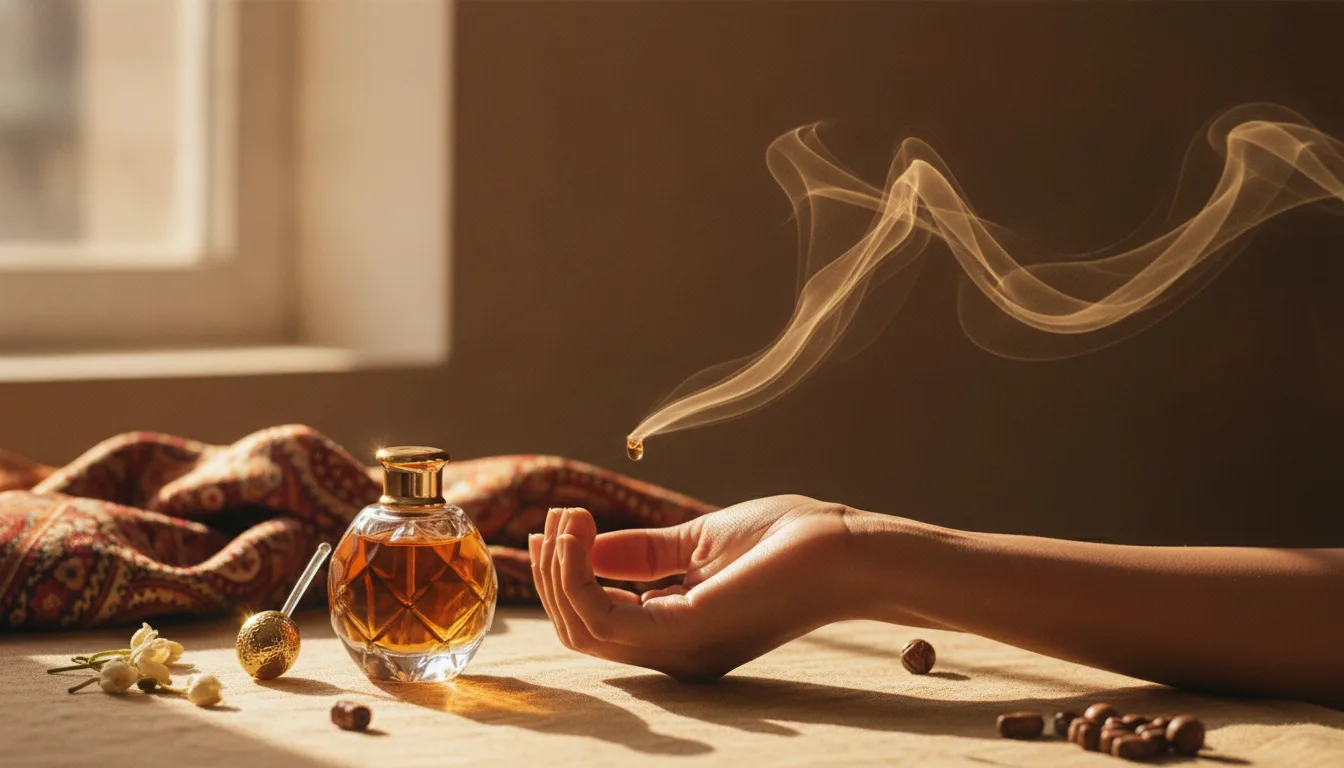
Most people use "projection" and "sillage" interchangeably, but they're two different things. Projection is how far a scent radiates off your skin into the surrounding air - basically the bubble of fragrance you create around yourself. Sillage (pronounced see-yahj, a French word for the wake left by a ship) is the trail your scent leaves behind as you move through a room or walk past someone.
You can have strong projection with weak sillage, or vice versa. Some fragrances bloom loudly in the first two hours and then sit close to your skin for the rest of the day - high projection, low sillage. Others hum quietly but leave a clean ghost of themselves in every room you exit - that's strong sillage. The best performing fragrances do both, and for different reasons than most people expect.
Why Concentrated Oils Perform Differently Than Sprays
Here's the thing most spray-first buyers miss: projection in an EDC or EDT comes partly from the alcohol base, which pushes the fragrance molecules outward as it evaporates. That initial blast feels impressive, but it's partly the alcohol doing the work, not the actual fragrance.
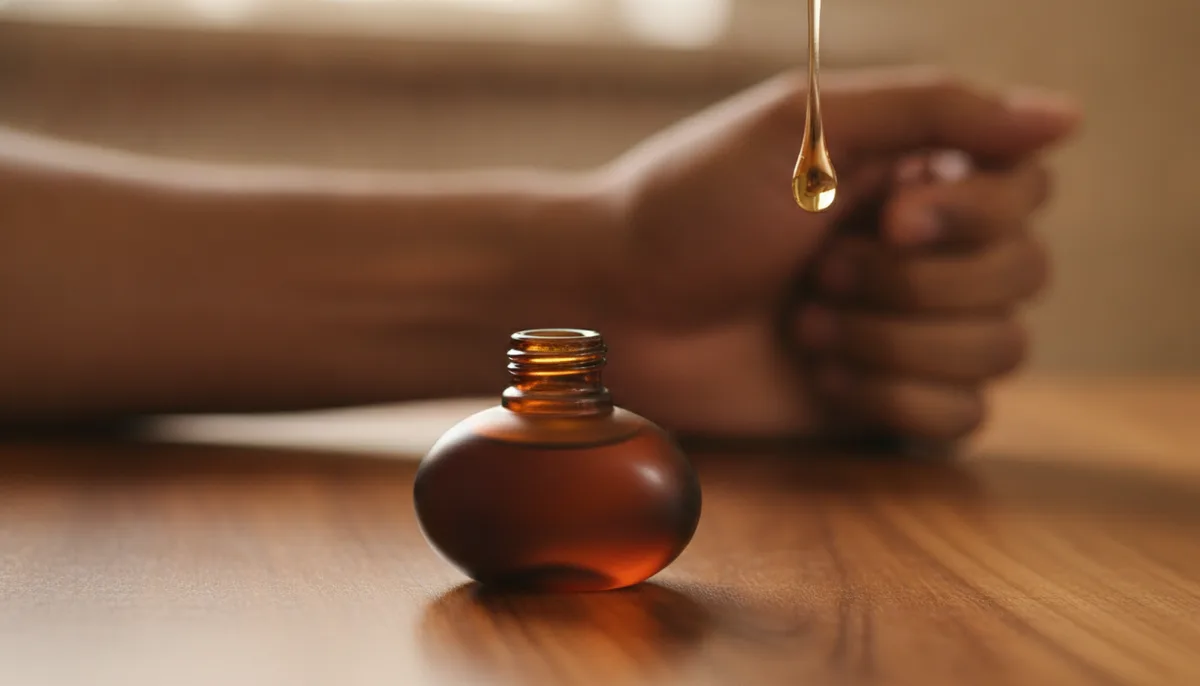
Concentrated perfume oils work differently. Without alcohol doing the heavy lifting, the fragrance relies entirely on the quality and concentration of the raw materials. A well-blended oil applied to a pulse point warms up slowly with your body heat, releasing the scent in waves rather than a single burst. The result is slower to open up, but it radiates more consistently over a longer period - and crucially, it tends to last on fabric and skin well past the 6-8 hour mark that most sprays fade out at.
This matters a lot in the Indian context. In a city like Chennai or Mumbai where humidity is high and you're sweating by 9am, alcohol-based sprays can go sour or just evaporate. An oil sits under the skin's surface layer and actually performs better with heat. Sweat carries the molecules outward. Your body temperature becomes the diffuser.
Heavy Notes Versus Light Notes: What Projects Better
Not all notes project equally, and understanding this helps you pick the right oil for the right context.
Heavy-Projecting Notes
- Oud: Dense, resinous, and radiates from skin in a way that fills enclosed spaces quickly. Ideal for winter or air-conditioned rooms where the warmth is contained.
- Musks and Ambers: These tend to project close to the skin but leave a strong sillage trail. Great for personal scent - the kind someone notices when they lean in.
- Tobacco and Incense: These have what is called "lateral throw" - they spread sideways more than upward, making them room-filling notes.
Notes That Ride the Air
- Citrus and green notes: They project sharply in the first 30-60 minutes, then drop off fast. Think of them as openers, not anchors.
- Spice accords (cardamom, pepper, saffron): These sit in the middle - good projection, moderate sillage, and they layer well over heavier bases.
- Gourmand notes (vanilla, coffee, caramel): These are deceptively good projectors. Sweet molecules travel well in air, and people notice them in a crowd without being able to pin what it is.
The Oils That Actually Have Reach
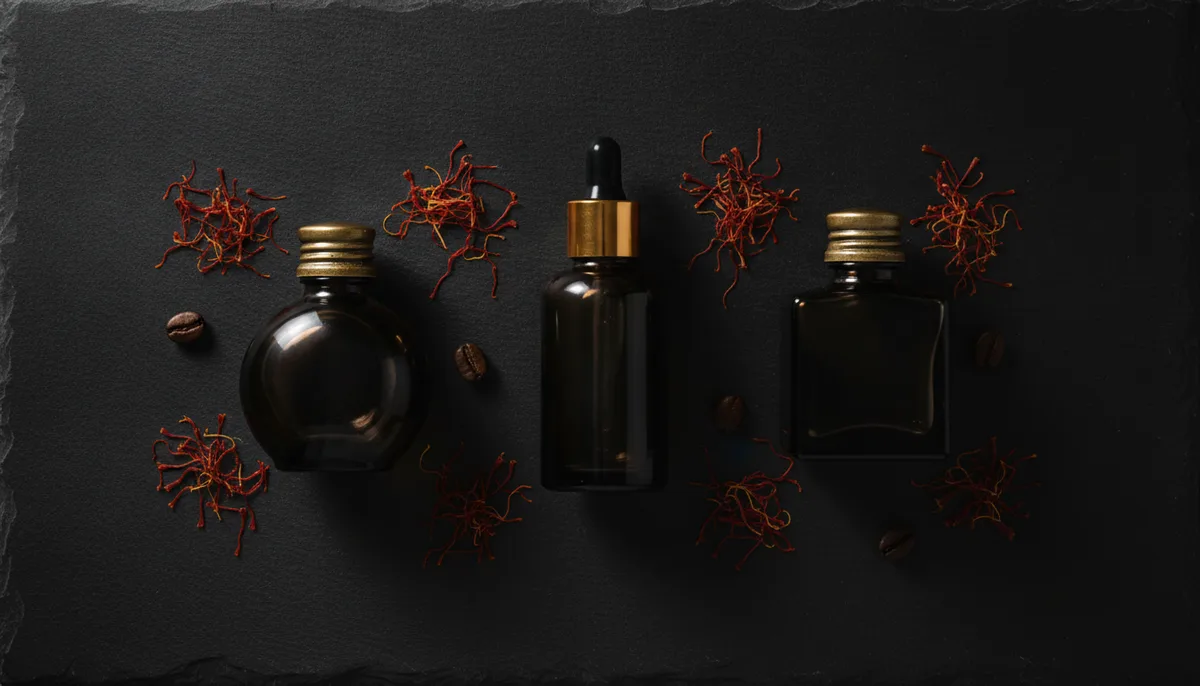
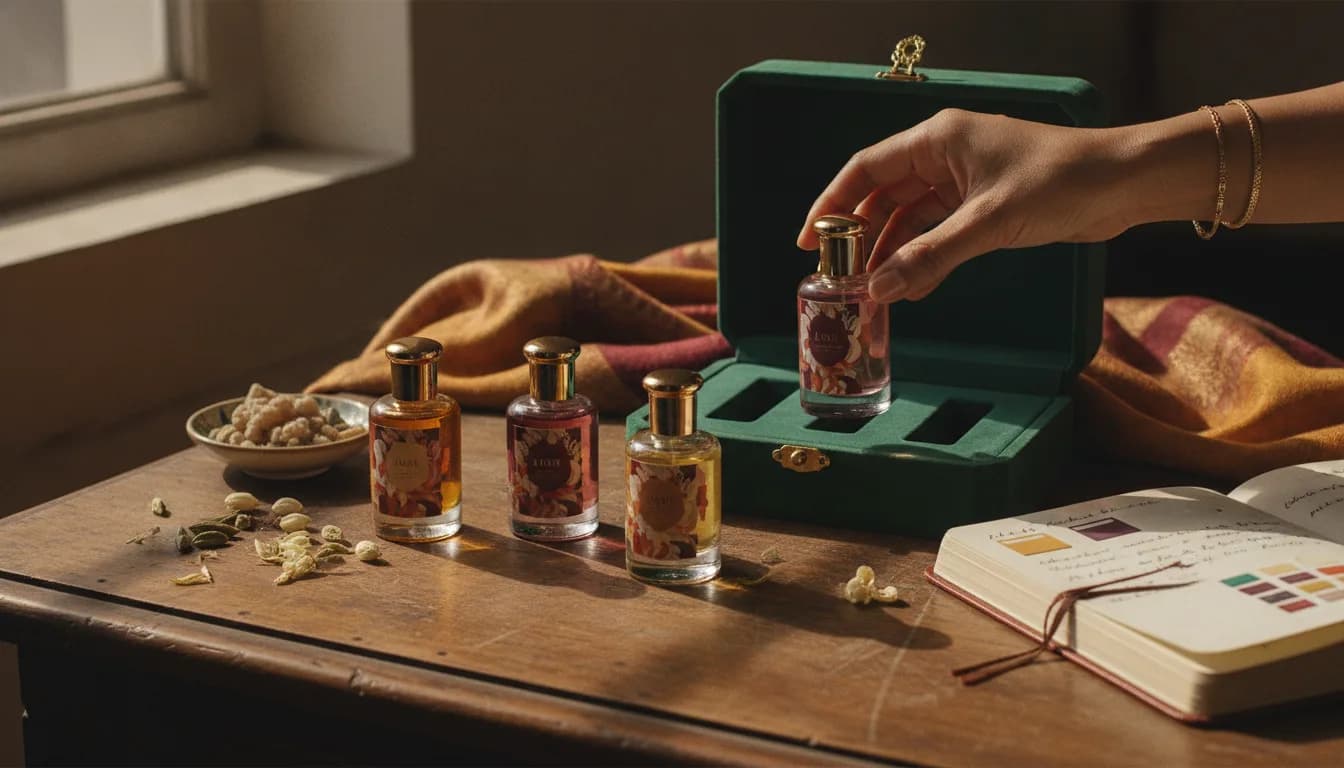
Talking about projection in abstract terms only goes so far. Here's how a few specific oils in the lineup actually perform when you apply them.
Midnight Saffron is built for projection. Saffron in the heart is one of the best note-carriers in classical Indian perfumery - it reads rich and loud, cuts through ambient smells, and the oud base keeps it in the air long after the saffron dries down. Apply two drops to your neck and you'll still be fielding comments three hours later. It's particularly punchy in air-conditioned indoor spaces - wedding halls, offices, parties.
Smoked Desire takes a different approach. The smoke element gives it that lateral throw mentioned earlier - it doesn't announce itself loudly, but it fills a room corner to corner. The sillage is exceptional. You'll notice people in the same room responding to it even when they're not close to you. This is the oil to reach for when you want presence without aggression.
Moonlit Coffee is one of those counterintuitive performers. Coffee-heavy gourmands read as niche and interesting to most people, not synthetic or obvious. This one projects confidently for the first two to three hours and then settles into a skin-close coffee-musky base that's still detectable six hours in. Sillage is moderate but the trail is very distinctive - people will remember it even if they can't name it.
For something that opens with genuine authority, Obsidian Flame delivers. The spice profile hits immediately with solid projection, and the dark base keeps it from going thin after the top notes fade. On warm skin, especially in the evening, this one radiates outward consistently. It's a crowd-responding kind of scent - the type that gets "what are you wearing" unprompted.
How to Apply for Maximum Projection
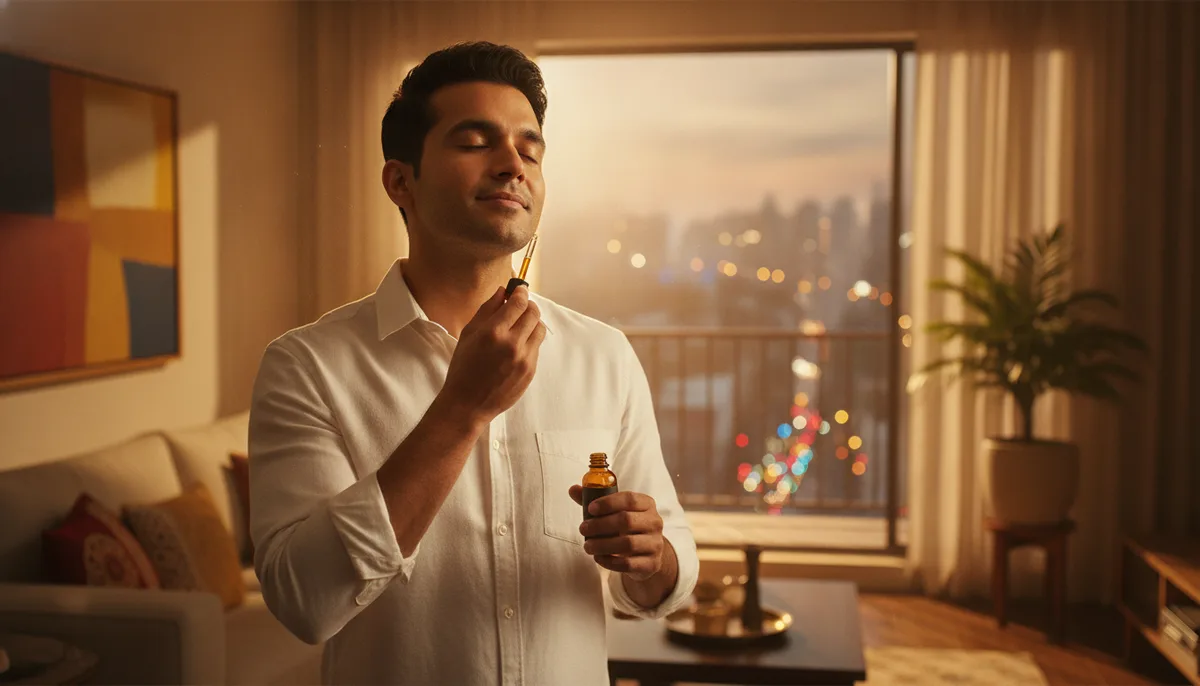
Application technique changes everything when you're working with oils. Sprays get spritzed uniformly - with oils, you control exactly where the projection comes from, which means you can tune it.
- Pulse points: Wrists, inside elbows, the dip behind the collarbones, and the neck below the jaw. These are warm areas where blood is close to the surface. More heat means more diffusion.
- Behind the ears vs. neck: Behind the ear gives you personal-space sillage - noticeable to someone close. The neck broadcasts more widely. Use both if you want full-room projection.
- Chest and chest hair (for men): A drop here on the sternum radiates upward and outward throughout the day, especially if you're wearing a collar. This is where Indian attar wearers have always applied oils, and there's a reason for it.
- Don't rub: Rubbing breaks the top notes and speeds up evaporation. Press or dab, then leave it alone.
- Clothing: Oils stain some fabrics, but a dab on the inside of a collar or cuff extends projection dramatically because fabric holds scent molecules longer than skin.
Common Mistakes That Kill Projection
Even a strong-performing oil can disappoint if the basics are off.
Too little oil: People who switch from sprays often under-apply because they're used to the wide coverage of a spray. Two or three drops in the right spots is usually enough, but if you're after real projection, don't be stingy.
Dry skin: Dry or dehydrated skin absorbs fragrance molecules faster, which reduces throw and longevity. A light unscented moisturiser or even a tiny bit of coconut oil on pulse points before application gives the fragrance something to hold on to.
Applying after a shower with strong-smelling soap: Let your skin settle for 10-15 minutes after bathing before applying. Competing base smells from soaps disrupt how the opening notes project.
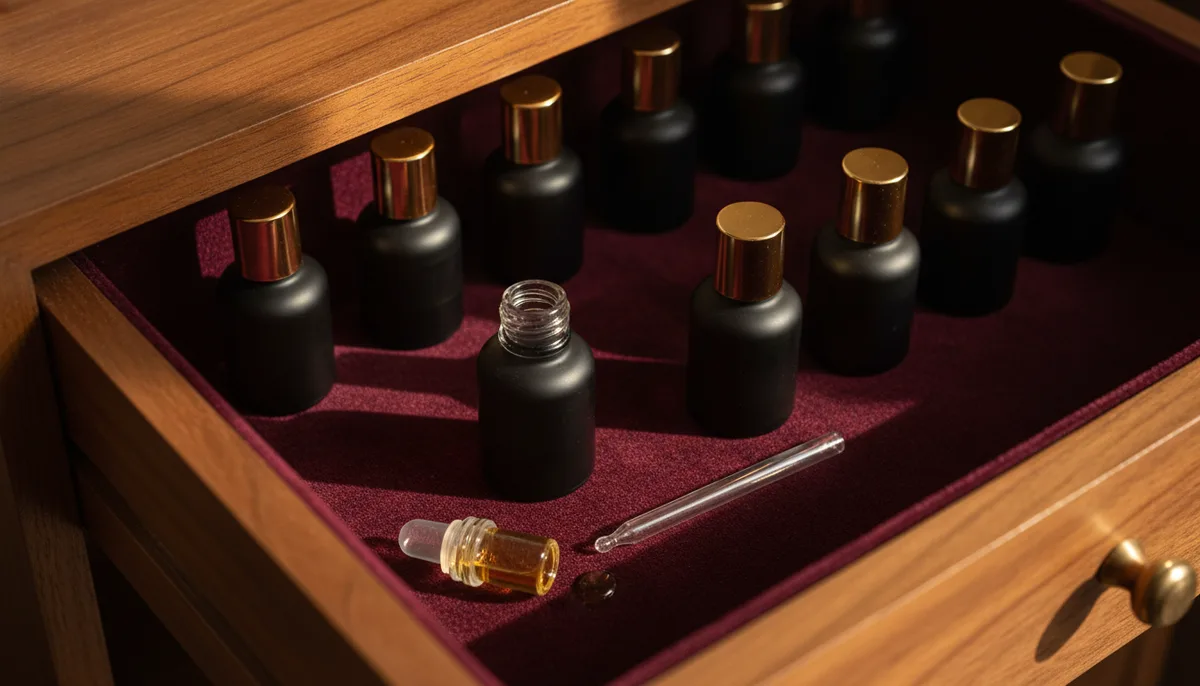
Storing oils in direct sunlight or heat: Heat degrades the molecules responsible for projection. Keep your oils in a cool, dark spot - away from bathroom shelves that get steamy and windows that get afternoon sun.
The Short Version
Projection and sillage are performance metrics, not marketing words. Concentrated perfume oils earn their reputation here because the quality of the raw materials is front and centre - there's no alcohol to pad the performance. Pick oils with dense base notes (oud, smoke, amber, musk) for staying power. Apply to warm skin in the right spots. And stop under-applying because you're nervous about being "too much" - a well-chosen oil worn with confidence is exactly the right amount.