Stop Buying Blind: Know Your Fragrance Family First
Most people buy a perfume because it smelled good on someone else, or because the bottle looked expensive, or because a friend recommended it. Then it sits on the shelf after three uses because it just doesn't feel like them. The fix isn't expensive - it's understanding fragrance families before you buy.
Fragrance families are broad groupings that tell you how a scent behaves: what notes anchor it, how it projects, how long it lasts, and what kind of mood or occasion it suits. Once you know which family you gravitate toward, picking a specific oil becomes way less random.
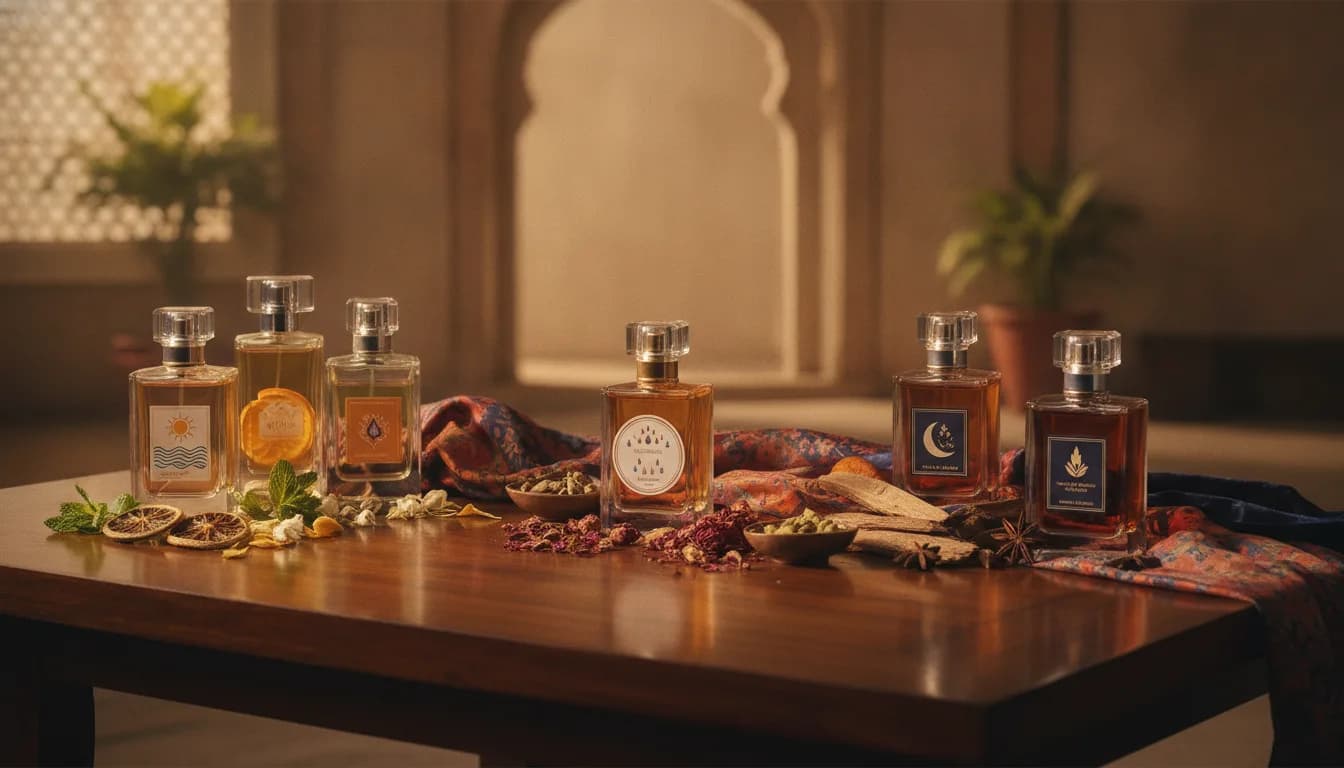
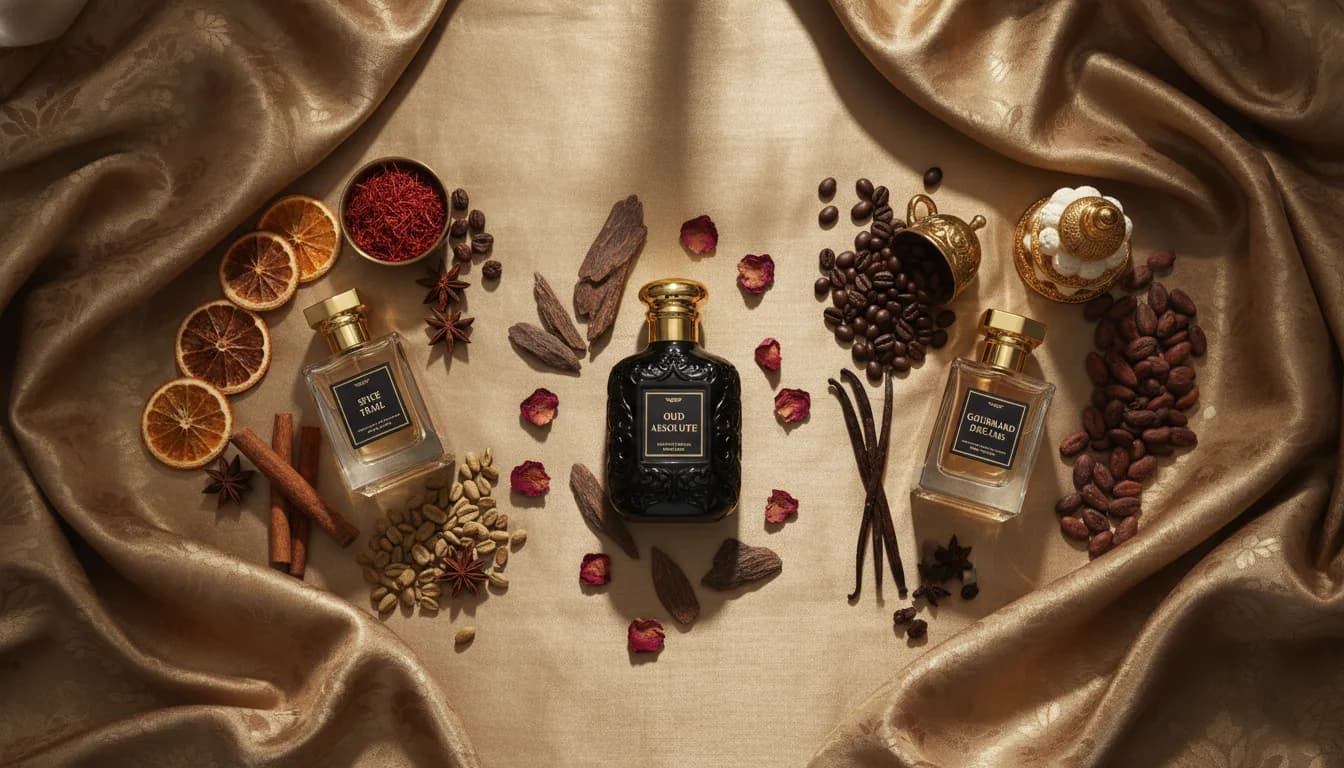
Here's a no-nonsense breakdown of the four families you'll see most often in concentrated perfume oils - oud, gourmand, woody, and spicy - with honest notes on who they work for and when to wear them.
Oud: The One Everyone in India Already Knows (But Not Like This)
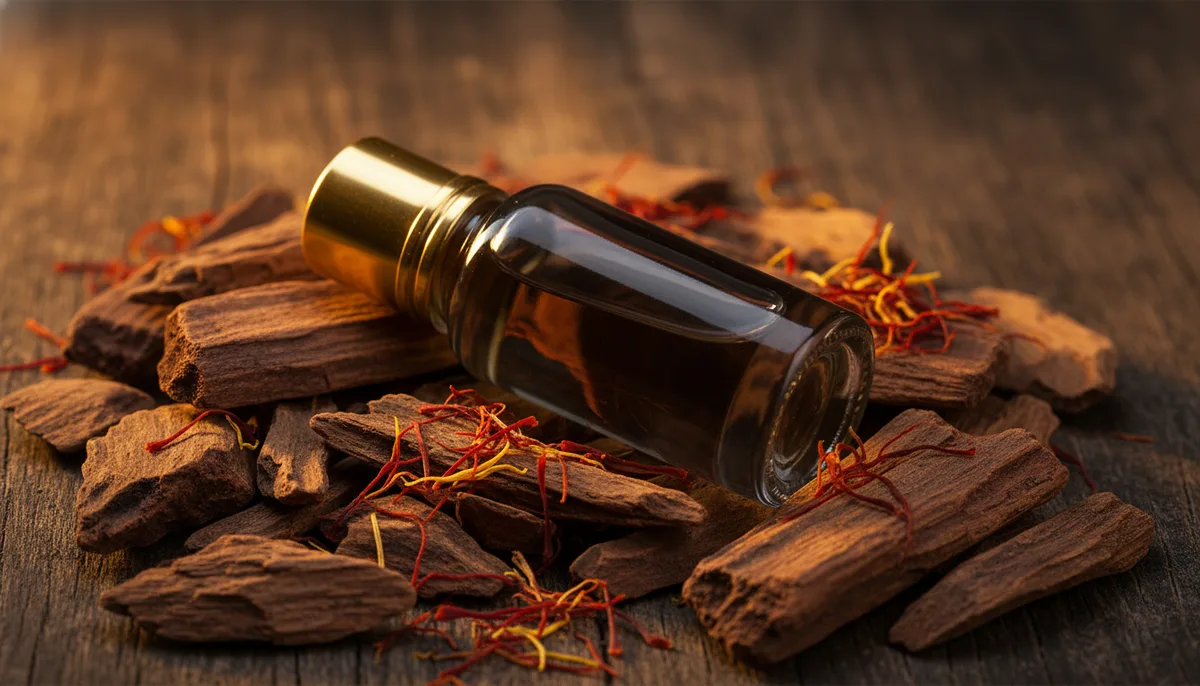
Oud is resinous, animalic, and rich. The raw material comes from agarwood, and depending on the source and processing, it can smell like dark wood, leather, smoke, incense, or something almost medicinal. Indian and Middle Eastern oud traditions lean heavier and darker; Western interpretations often clean it up with rose or musks.
If you've worn attar before, you already know oud's staying power. On skin, it deepens over time. The opening can be sharp or even harsh, but the drydown is usually where it becomes genuinely interesting.
Who it suits: People who want projection without spraying twice. Anyone who finds floral or aquatic scents too soft. Works across genders - oud doesn't really belong to one.
When to wear it: Cooler months in Delhi or Bangalore, evening occasions, weddings, Friday prayers, or anywhere you want the scent to announce itself before you do.
If you want to start with something that layers dark oud against warm saffron, Midnight Saffron is a solid entry point - the saffron softens the oud without making it sweet, which keeps it wearable even in semi-formal settings. For something that goes harder and later into the night, Oud After Dark skips the softening entirely and leans into the resinous, smoky side.
Gourmand: The Scent That Smells Like Something You'd Eat (in a Good Way)
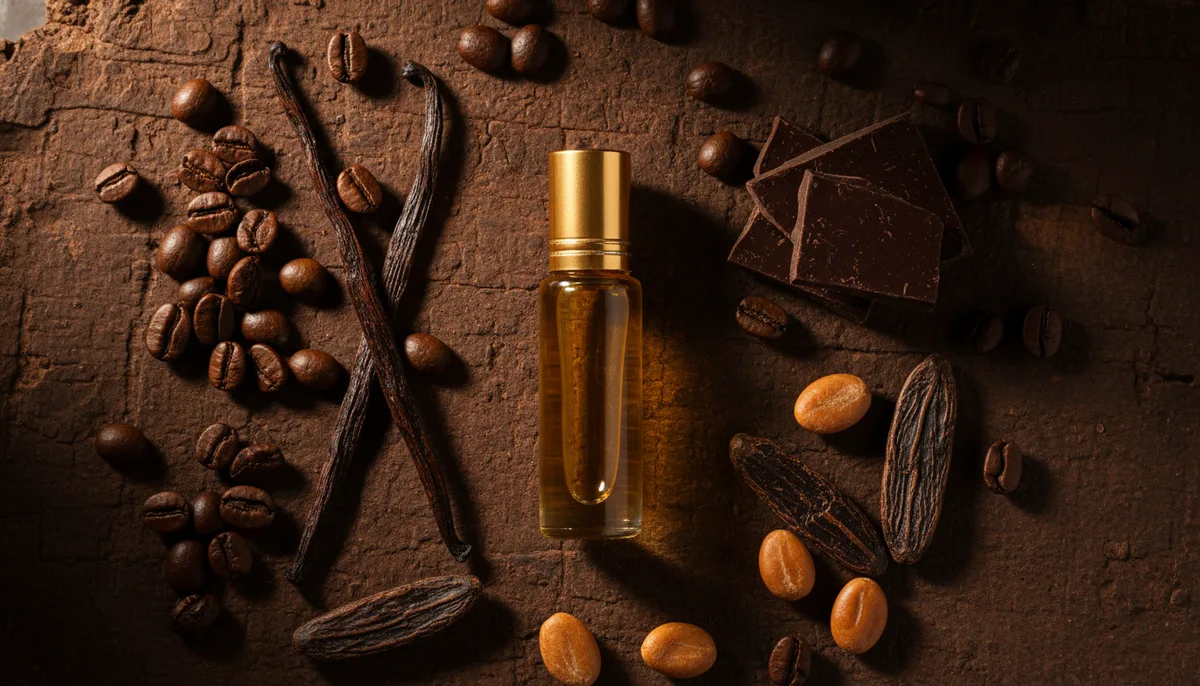
Gourmand fragrances use edible notes - vanilla, coffee, caramel, chocolate, tonka bean - as their backbone. They're warm, comforting, and almost universally liked by people around you. That makes them excellent crowd-pleasers, which is either a selling point or a turn-off depending on how you feel about being universally liked.
The risk with gourmands is going too sweet. A poorly done gourmand smells like you bathed in dessert. A well-done one uses those edible notes as a base but keeps the whole thing grounded with musk, wood, or a bitter edge.
Who it suits: People who get compliments easily on sweeter scents. Anyone who finds heavy oud or tobacco too aggressive. Works especially well in the cooler months from October through February.
When to wear it: Casual outings, dates, office environments where you don't want to overpower a room, late-night hangouts.
If you want a gourmand that doesn't go full dessert, Moonlit Coffee is worth trying - coffee as a note naturally pulls things toward bitter-sweet rather than sugary, and the result is something that works on men just as easily as women. For something richer and more indulgent, Noir Seduction leans into that dark, creamy gourmand territory without crossing into candy.
Woody: Clean Performance That Works Almost Anywhere
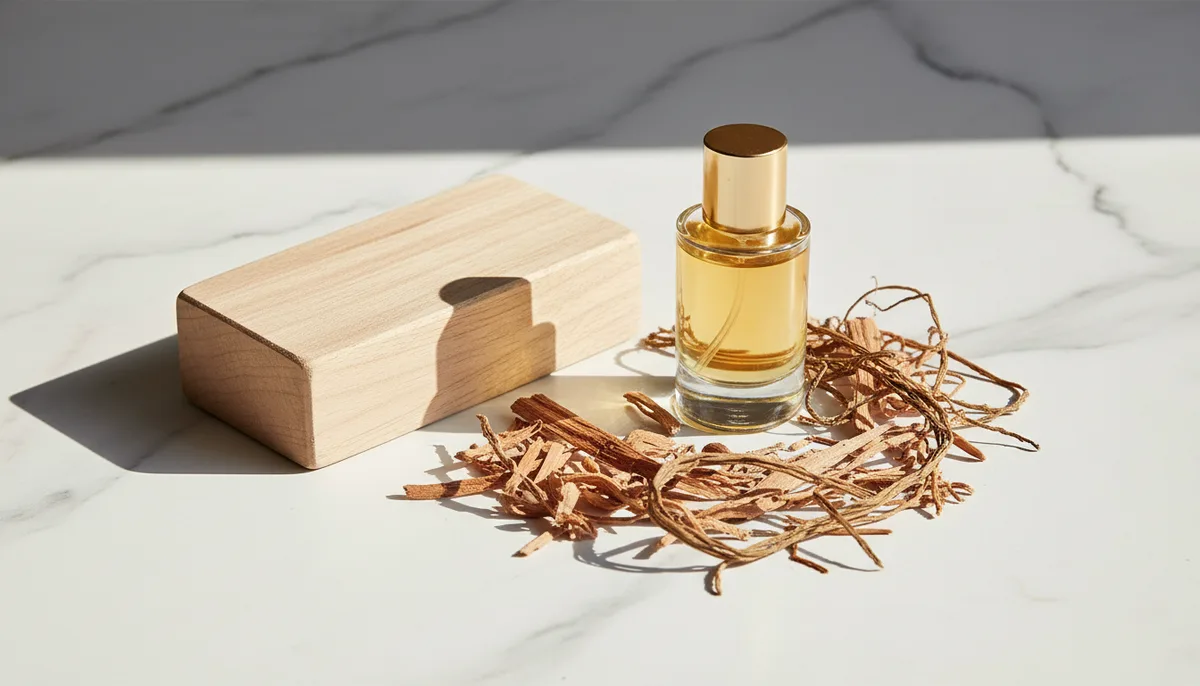
Woody fragrances center on sandalwood, cedarwood, vetiver, patchouli, or a combination. They sit in the middle of the spectrum - not as loud as oud, not as soft as florals, not as sweet as gourmands. That makes them the most versatile category for daily wear.
Indian sandalwood (Mysore sandalwood especially) is a different beast from synthetic woody bases. It's creamy and almost milky. Vetiver, grown heavily in Rajasthan, is earthy and smoky. The woody family covers a wide range, so don't assume one woody scent will behave like another.
Who it suits: Practically everyone. Woody scents translate well across ages, genders, and contexts. They're also easier to wear in warmer months than heavy ouds.
When to wear it: Office, travel, everyday wear, or any situation where you want to smell good without making it a whole thing.
Rich Instinct sits in the woody category and leans toward that deep, assertive sandalwood profile - the kind of scent that works on a Monday morning meeting and a Saturday evening out. It's not a soft scent, but it doesn't require a special occasion either.
Spicy: High Impact, High Commitment
Spicy fragrances use notes like black pepper, cardamom, clove, cinnamon, or chili. They project hard and create a distinct trail. Done right, a spicy scent is memorable in the best way. Done wrong, it's overwhelming.
The key with spicy fragrances is skin chemistry. Spice notes interact with your natural warmth and oils, so the same fragrance can smell totally different on two people. It's worth testing on skin - not just on a paper strip - before committing.
Who it suits: People who want to make an impression. Those with naturally warm skin tones tend to amplify spicy notes well. Works better in cooler weather because heat can make spice notes sharper than intended.
When to wear it: Evening events, festive occasions, Diwali gatherings, or any situation where blending into the background is not the goal.
If you're curious about the spicy family, Smoked Desire pairs spice with smoke, which rounds off the sharpness and makes it more approachable than a pure pepper-forward scent.
How to Figure Out Which Family You Actually Belong To
Here's a simple way to narrow it down without buying five things you might not love:
- Think about what you've worn before and actually liked. Not what smelled good in the store - what you kept reaching for. Was it heavy and dark? Probably oud or spicy. Soft and warm? Gourmand. Clean and grounded? Woody.
- Consider your climate and lifestyle. If you're in Chennai or Mumbai, heavy oud in summer is going to feel like wearing a blanket. Woody or light gourmand oils are more forgiving in humidity. If you're in Pune or Bangalore where winters get cool enough to matter, that's when oud and spice really land.
- Think about projection preference. Do you want people across the room to notice, or just the person next to you? Oud and spicy project farther. Woody and gourmand stay closer to skin.
- Sample before committing to a large bottle. Most concentrated oils are potent enough that a small quantity goes a long way. Start with a smaller size if available, test it across different times of day, and see how it evolves on your skin chemistry specifically.
The Short Version
Oud is bold and traditional. Gourmand is warm and likable. Woody is versatile and everyday. Spicy is high-impact and occasion-specific. None of these is better than the other - they serve different purposes, and most people who get into fragrance oils end up owning at least two or three families rather than committing to just one.
Figure out what your life actually needs - not what sounds most impressive - and buy accordingly.