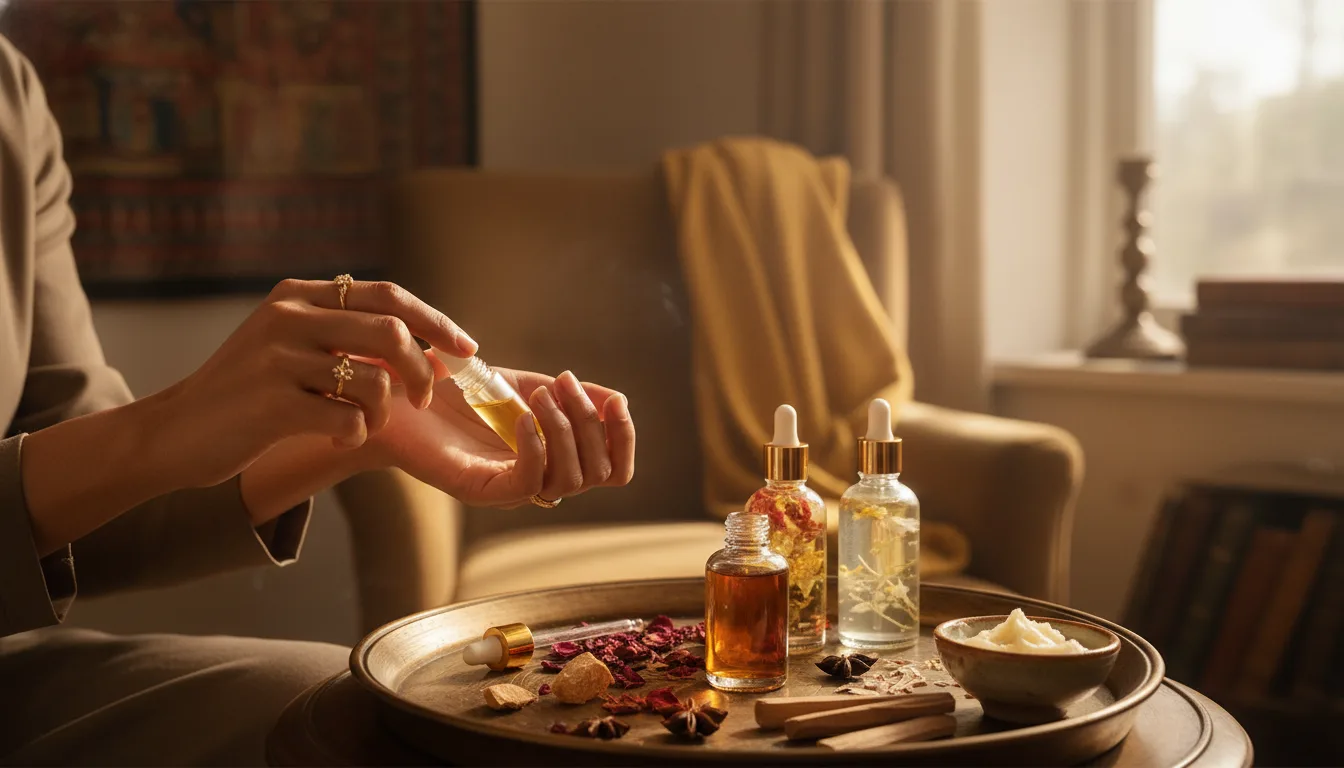
Why Layering Works Better with Oils Than Sprays
If you've ever put on two colognes at once and ended up smelling like a department store accident, that's a spray problem. Alcohol-based sprays project hard, compete with each other, and blur into noise. Concentrated perfume oils are different. They sit closer to your skin, warm up gradually, and when you layer them correctly, they merge rather than clash.
The reason this works is simple chemistry. Oils blend on contact with your skin's natural warmth. Instead of two separate scents fighting for airspace, you get one fused scent that reads as a single composition. High-end perfumers do this on purpose - layering base accords under top notes. You can do the same thing at home with a little patience and some understanding of how notes interact.
The Basic Rule: Heavy Under Light
This is the one rule that actually matters. Apply your heavier, denser oil first - think oud, smoky, resinous, or woody bases - and let it settle for a minute or two. Then apply the lighter oil on top. The heavier base acts as an anchor. The lighter scent sits on top and becomes what people smell first, while the base gives it depth and staying power.
Think of it like cooking. You build flavor from the bottom up. You don't pour your garnish on first and then dump the curry on top of it.
Warm Your Skin First
Apply oils to pulse points where your skin is warmest - wrists, inner elbows, the base of the throat, behind the knees if you want trail. Warm skin activates the oil faster and helps the two layers fuse instead of just sitting side by side. After a shower is actually the best time, when your skin is slightly moist and warm. The oils absorb more evenly and the layering effect kicks in within minutes instead of hours.
Which Scent Families Layer Well Together
Not all combinations work. Here's a practical breakdown of what tends to play nice and what tends to fight.
Oud and Gourmand
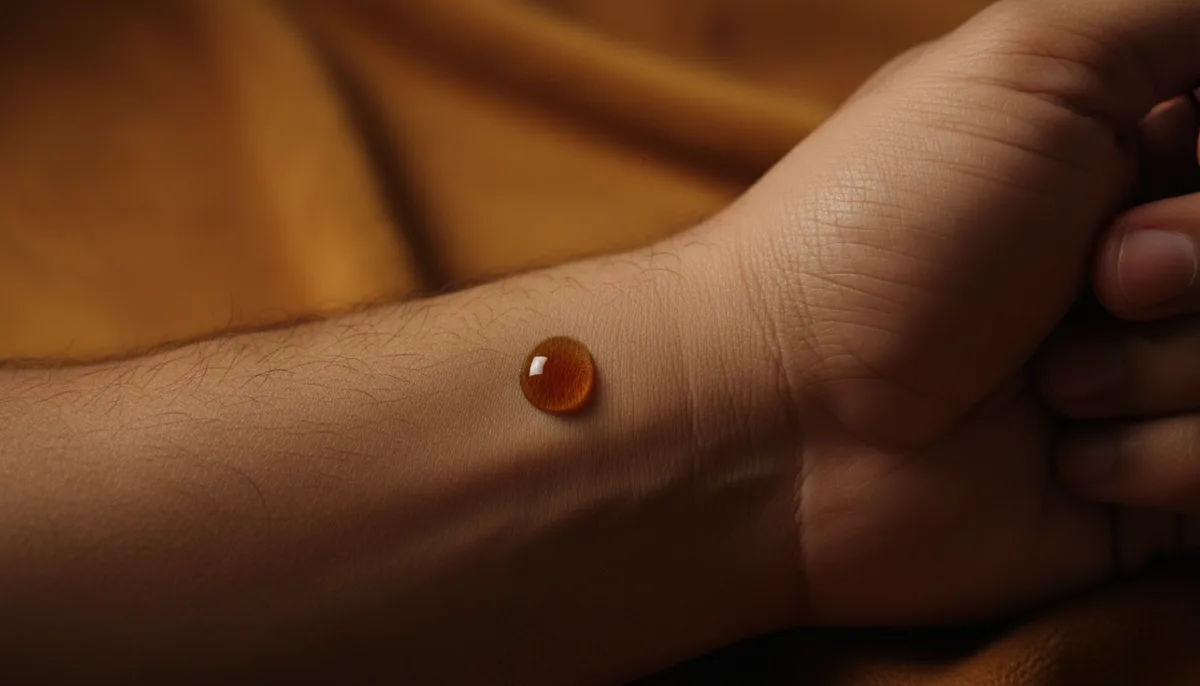
This is one of the most reliable pairings in the Middle Eastern and South Asian fragrance tradition. Oud is dark, animalic, and woody. Gourmand notes - vanilla, coffee, caramel, tonka - add sweetness that softens the rougher edges of oud without canceling it out. The result is a scent that reads as rich and warm rather than medicinal or sharp.
Try applying Velvet Oud as your base and layering Moonlit Coffee over the top. The roasted coffee note cuts through the oud's heaviness and gives you something that smells genuinely distinct - dark, slightly sweet, with real projection. This combination works particularly well in winter months or air-conditioned spaces in cities like Bengaluru or Delhi where the cold actually lets heavy bases breathe.
Woody and Spicy
Woody scents - sandalwood, cedar, vetiver - are natural partners for spice. They share a similar warmth and earthiness, so they fuse rather than fight. Spice sharpens the wood, and wood grounds the spice so it doesn't go medicinal or harsh on your skin.
Quiet Prestige as a woody base layered with Obsidian Flame on top gives you something that works well in formal or professional settings - authoritative without being loud, with a spice edge that keeps it from going flat mid-day.
Citrus and Spice
Citrus-forward oils are light and volatile - they go fast on their own. But layer them over a spicy base and the spice catches the citrus as it fades, creating a seamless dry-down. The citrus sparkle hits first, then you transition into warmth rather than disappearing entirely. This is a good trick for long days when you don't want to reapply.
What Not to Do
Avoid layering two heavy, dense bases on top of each other. Two ouds, or oud and heavy musk together, can turn thick and almost suffocating - especially in Mumbai or Chennai humidity where everything amplifies. Also avoid layering a fresh aquatic scent with anything resinous. They don't blend. They just take turns being weird.
How Much Oil to Use When Layering
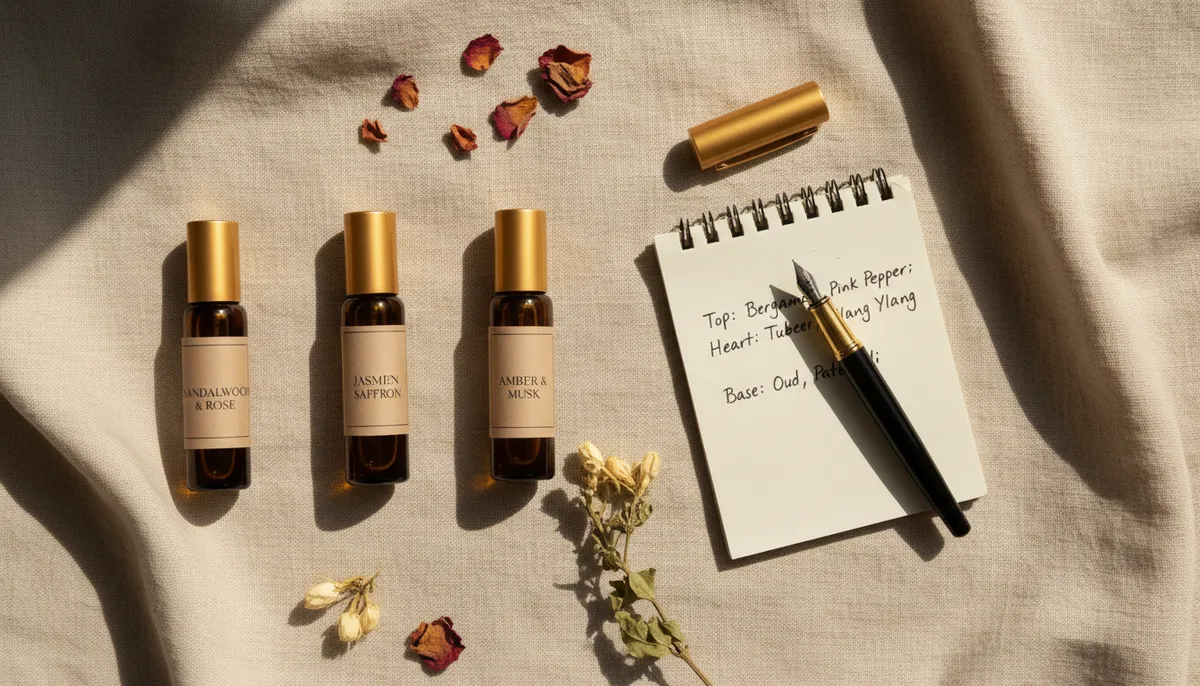
Less than you think. The instinct when layering is to compensate by using more of each. Don't. Use roughly half the amount you'd normally apply of each oil. You're combining projection from two sources. If you normally do three dabs of a single oil, do two dabs of the base and one or two of the top layer. You can always add more. You can't subtract.
This is especially true in Indian summers. Heat multiplies projection. In May in Hyderabad or Chennai, even a modest amount of oil will project strongly. Layering two oils in peak heat requires real restraint or you'll clear the room.
Building a Consistent Signature Combo

Once you find a layering combination you like, document it. Write down which oils you used, how much, where you applied them, and what the weather was like. Temperature and humidity change how oils behave. A combination that smells balanced on a cool December morning in Pune might skew too heavy on a humid July afternoon in Kolkata.
The goal isn't to wear a different combination every day. The goal is to find one or two layered combinations that become yours - something recognizable but not something you can buy off a shelf anywhere. That's the actual value of layering: you're the only person wearing exactly that combination in exactly that ratio on that skin.
A Simple Starter Combination to Try
If you're new to layering, start with this: apply two dabs of an oud base to your wrists and let it settle for ninety seconds. Then apply one dab of a gourmand or spicy oil to the same spots. Give it five minutes before you smell it properly - oils need time to open up. What you're smelling immediately after application is not what the scent will smell like in twenty minutes. Patience is part of the technique.
Layering is Not Just About Smell
There's also a practical longevity argument here. Layering a denser base under a lighter top extends the overall lifespan of the lighter scent. The lighter oil would fade in two or three hours on its own. Anchored to a heavier base, it can last significantly longer because the base keeps re-releasing warmth and carrying fragments of the top note with it. For long days - weddings, travel, back-to-back meetings - this is a genuinely useful trick, not just an aesthetic experiment.
The cost is also worth mentioning. At ₹1499 per bottle, layering two Amorvio oils costs you ₹2998 total for a combination that performs like something you'd pay three to five times more for in a niche retail setting. The math works.