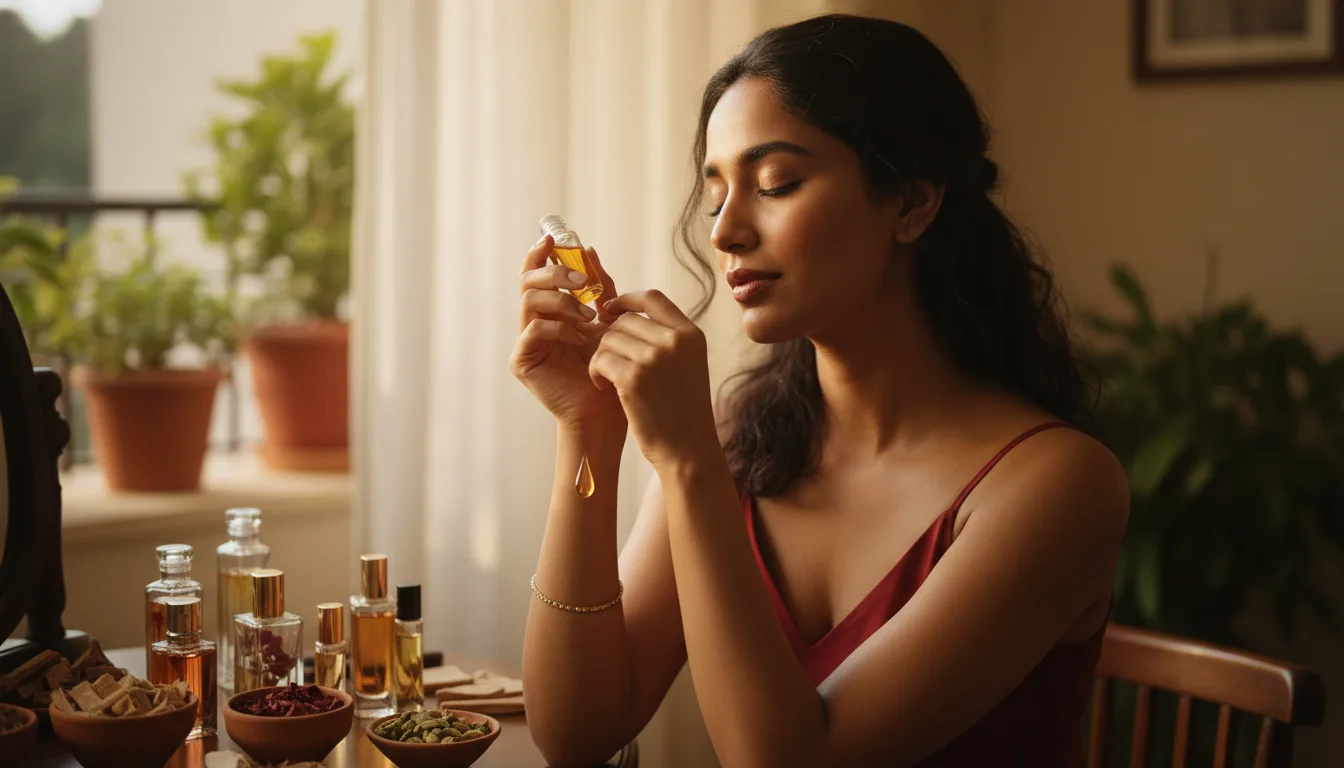
Notes Are Not Just Marketing Jargon
If you have spent time in fragrance communities or read any product description, you have seen the three-tier note breakdown: top, heart, base. Most people skim past it. That is a mistake, because understanding how notes actually behave on your skin will change every buying decision you make going forward.
This is not about memorising ingredient names. It is about understanding that a perfume oil is not a static smell - it is a sequence. What hits you in the first two minutes is completely different from what is sitting on your wrist four hours later. And on Indian skin, in Indian weather, that sequence plays out faster, more intensely, and sometimes in a completely different direction than the bottle suggests.
Top Notes: The First Two Minutes

Top notes are the most volatile compounds in a blend. They hit your nose immediately when you apply, and they are gone fast - anywhere from five to thirty minutes depending on the oil's concentration and your skin type.
Common top note ingredients include citrus (bergamot, lemon, orange peel), light herbs like basil or mint, and some aquatics. They exist to grab attention. They are the opening handshake. The problem is that most people judge a fragrance entirely on its top notes, which is like leaving a film after the opening scene.
In Indian summer heat - think Mumbai in April or Delhi in May - top notes evaporate even faster. Your skin temperature is higher, so volatile compounds burn off quicker. If you are testing a fragrance on a hot day, give it at least fifteen minutes before you decide anything.
Heart Notes: What You Are Actually Wearing
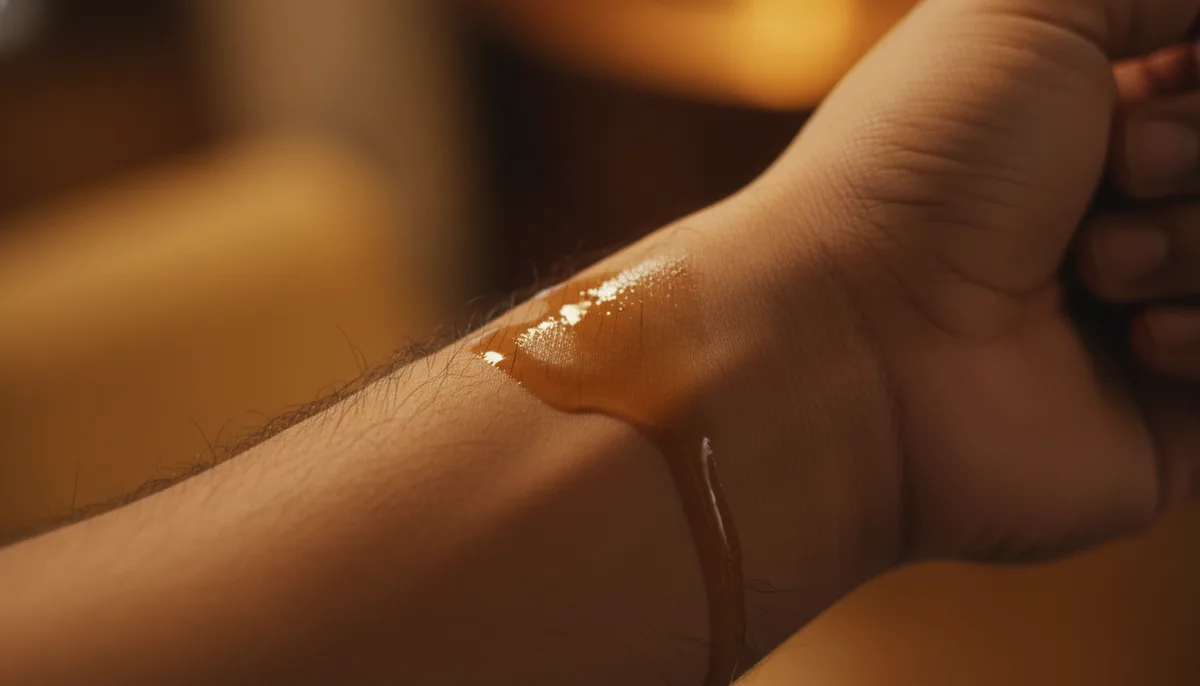
Once the top notes settle, heart notes take over. This is the main body of the fragrance - the part you will smell for the bulk of your wear time, usually two to five hours. Heart notes are warmer, rounder, and more complex than the opening.
This is where florals (rose, jasmine, geranium), spices (cinnamon, cardamom, black pepper), and resins start showing up. If the top notes are the hook, the heart is the song.
Skin chemistry starts mattering a lot here. Two people wearing the same oil will start smelling noticeably different during the heart phase. Oily skin tends to hold and amplify heart notes - you will smell more of the spice or floral. Drier skin can make this phase feel thinner or shorter than expected.
A good example of a strong heart note performer is Obsidian Flame - the spice in the mid section is where it earns its name. The opening is sharp, but the heart settles into something warm and smoky that reads completely different on skin versus on paper.
Base Notes: The Foundation That Stays
Base notes are the heaviest, least volatile molecules in the blend. They take the longest to show up fully - sometimes thirty to sixty minutes after application - and they are what lingers on your skin, your shirt collar, and the room you just left.
Classic base note materials: oud, sandalwood, musk, amber, vanilla, tobacco, vetiver, patchouli. These are dense molecules that bond to your skin and fabric. They are also the reason concentrated perfume oils outperform EDT sprays for longevity - oils deliver these heavy compounds directly without alcohol stripping them away.
The base is also where Indian skin temperature works in your favour. Warm skin activates musks and resins beautifully. A fragrance with a strong oud or amber base will project better on naturally warm Indian skin than on cold, dry European skin in winter.
If you are picking based on longevity, you are picking based on base notes. Midnight Saffron sits in oud and amber for its base, and once the saffron-heavy opening fades, what is left is dense and resinous - the kind of thing that is still on your skin the next morning.
How Skin Chemistry Changes Everything
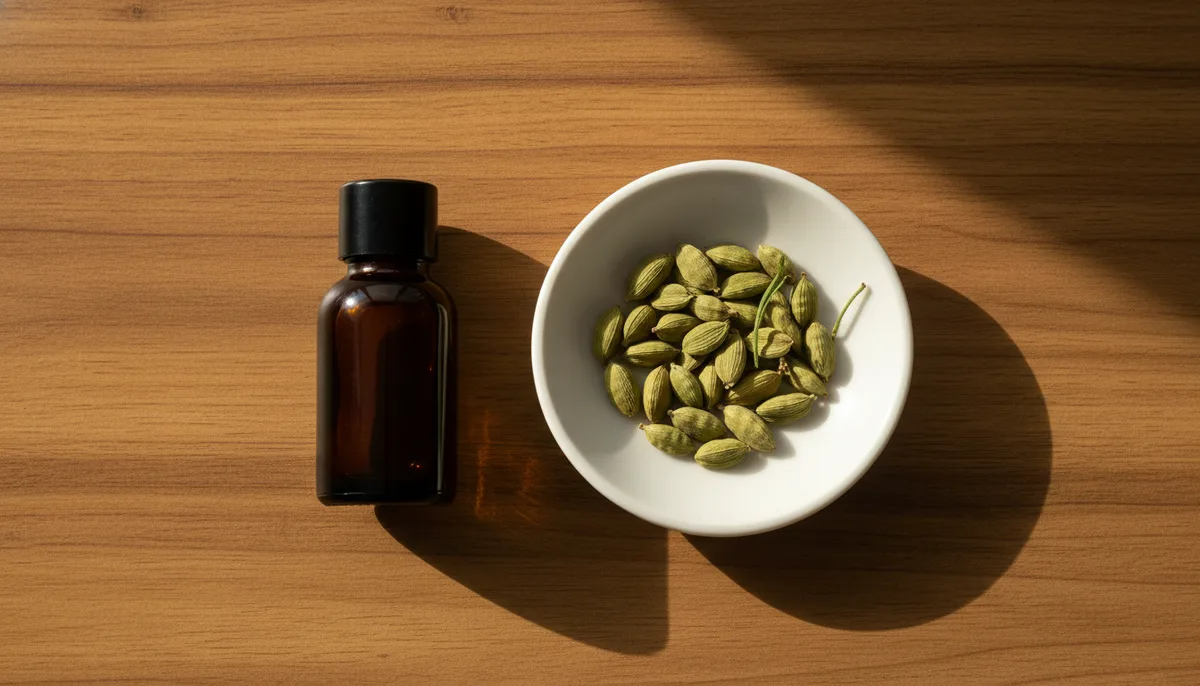
Your skin is not a neutral surface. It has its own pH, moisture level, natural oils, and microbiome - and all of that reacts with fragrance compounds in real time.
Here is what actually affects how a fragrance smells on you specifically:
- Skin pH: Lower (more acidic) pH can make citrus and floral notes read sharp or sour. Higher pH softens and sweetens the same notes. If a fragrance always smells harsh on you, this might be why.
- Hydration: Dry skin has less surface to hold molecules. Fragrance fades faster. Applying an unscented moisturiser before your oil is not a hack - it is the correct way to apply.
- Diet: Garlic, cumin, and fenugreek do have some effect on skin chemistry, and if you eat them heavily, sweet or delicate fragrances can get muddied. Stick to richer, spicier bases and you will not notice the difference.
- Body heat: Warmer skin zones project more. Wrist, inner elbow, neck, back of knee. Apply to pulse points where blood vessels are close to the surface.
Why Gourmand Bases Perform Differently in India
Gourmand fragrances - the ones built around vanilla, caramel, chocolate, coffee - behave differently in Indian humidity compared to a dry climate. In monsoon season, heavier sweet bases can turn cloying. The humidity traps the sweet molecules close to the skin and amplifies them beyond what is comfortable.
This does not mean avoid gourmands in the monsoon. It means use less. Concentrated oils give you total control over application - one small touch instead of two, and you get the right intensity without going overboard.
Moonlit Coffee is a good case study here. In air conditioning or during cooler Bangalore evenings, it reads as a full, rich coffee-vanilla blend. In peak Pune humidity, that same amount on your wrist can feel heavy. Half the application gives you the same pleasantness at the right volume.
Reading a Product Description Like a Fragrance Person
Now that you know how notes sequence, here is how to actually read a note pyramid when you are shopping:
- Start at the base. The base is what you will actually wear for most of the day. If the base does not appeal to you, skip it no matter how good the opening sounds.
- Check the heart for your skin type. If you have oily skin, heavy florals or spices in the heart will be amplified. If you want something softer, look for woody or musky hearts.
- Use top notes to confirm, not decide. Enjoy the opening. Do not commit based on it.
If you are picking a woody base oil, something like Quiet Prestige gives you a clean sandalwood and vetiver base that is consistent across skin types - less reactive to pH swings than florals or citruses, which makes it a more predictable wear.
Practical Takeaways Before You Buy
Test on skin, not paper. Paper does not sweat, does not have pH, and does not have your microbiome. The only test that matters is on your wrist, waited out for at least an hour.
Do not test more than two or three oils in one session. Your nose fatigues fast, especially in a warm city environment. Take breaks, smell something neutral (black coffee works), and revisit.
Give every fragrance the full dry-down. The opening lies. The base tells the truth. What is sitting on your skin ninety minutes after application is what you will actually be wearing to work, to a wedding, or out to dinner - and that is what the decision should be based on.
Note structure is the actual grammar of fragrance. Once you understand it, you stop buying blind and start buying right.