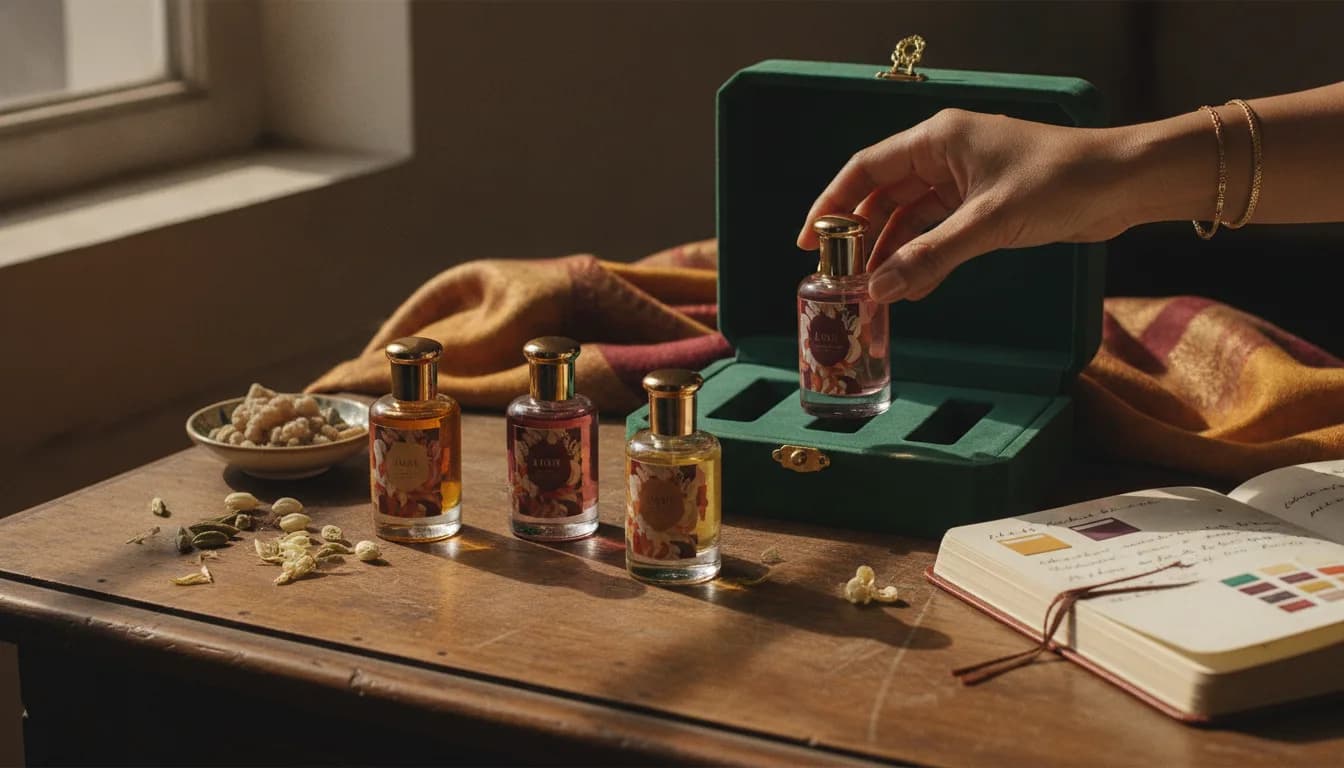
Your Skin Is Not a Neutral Surface
A lot of people pick a fragrance based on how it smells in the bottle or on someone else. Then they put it on, and it smells completely different. Or it vanishes in two hours. Or it goes sharp and weird by afternoon. The usual explanation is skin chemistry, which is real but vague. The more specific reason is often simpler: your skin type is doing something to that oil.
Skin affects fragrance in two ways. First, how it projects - meaning how far the scent throws off your body and how long it stays detectable. Second, how it morphs - meaning whether the top notes stay sharp or turn sour, whether the base comes out smooth or bitter. Understanding this is genuinely useful, not just fragrance theory trivia.
Oily Skin: The Amplifier
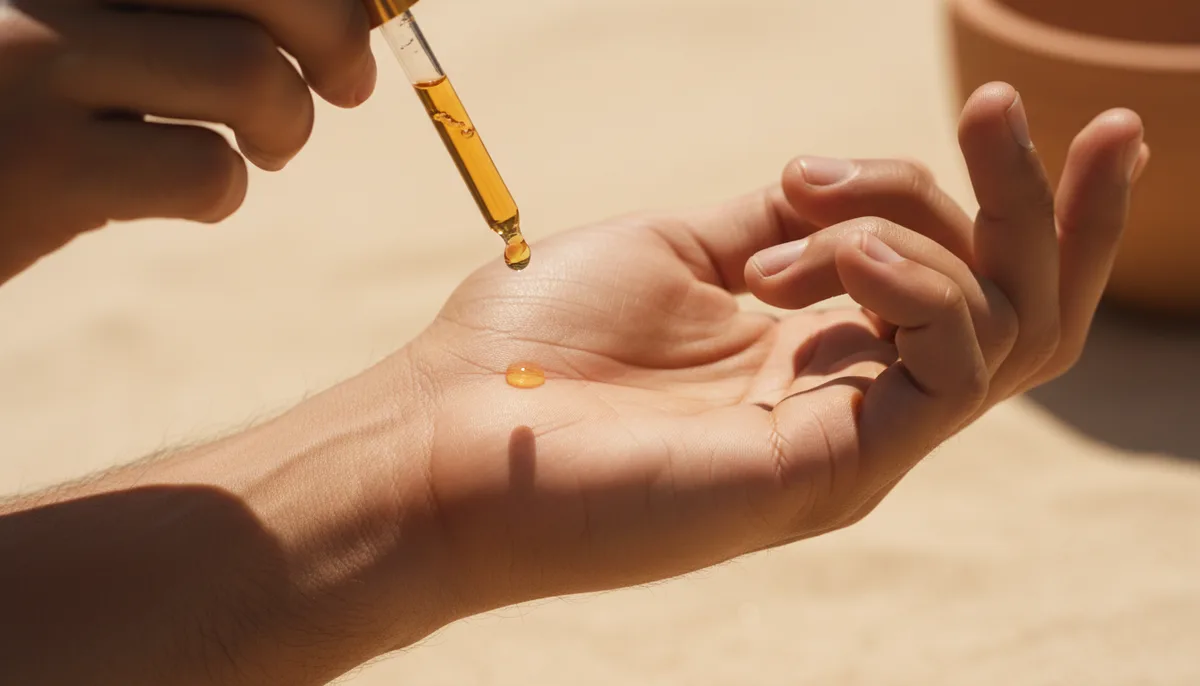
If your skin gets shiny by midday, you're sitting on a natural fragrance amplifier. Sebum - the oil your skin produces - acts like a carrier for perfume molecules. It holds them close to the skin, slows evaporation, and keeps the scent active longer. In Indian humidity, this effect gets stronger, especially in cities like Mumbai, Chennai, or Kolkata during the monsoon and pre-monsoon months.
The upside: longevity and projection come more easily. You don't need to apply heavily. A couple of drops on the wrists and neck pulse points is usually enough.
The downside: oily skin can amplify the wrong notes too. If a fragrance has a slightly sharp or harsh mid-stage, it will get louder on oily skin. Citrus-forward scents sometimes turn slightly sour. Synthetic musks can go powdery-heavy. Very sweet gourmands occasionally tip into cloying.
What actually works well on oily skin are complex, layered fragrances - ouds, woody blends, and spicy orientals. These have enough depth to absorb the amplification without getting distorted. A resinous oud like Midnight Saffron works especially well here - the saffron and oud base has enough density to hold structure even when your skin is pushing it out harder than usual. Spice-heavy oils also perform well because the warmth of your skin activates the spice in a way that reads as intentional rather than accidental.
Dry Skin: The Absorption Machine
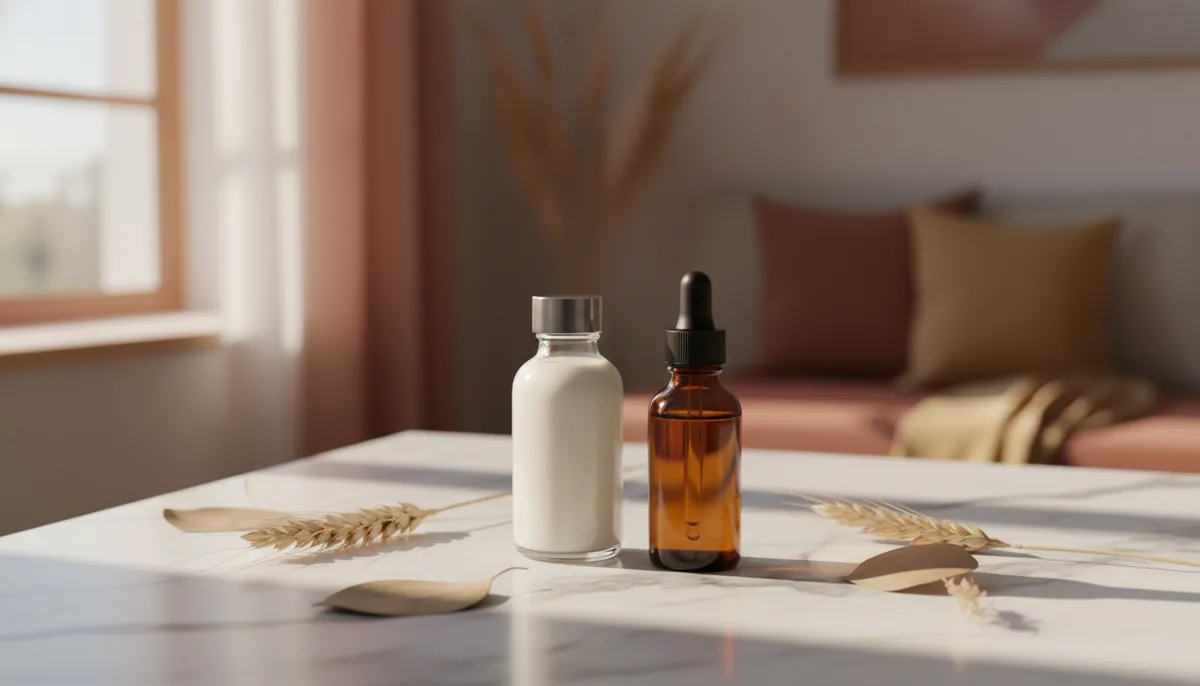
Dry skin is the opposite situation. Without much sebum to act as a carrier, fragrance molecules absorb quickly into the skin rather than sitting on top. This means two things: the scent stays closer to the body (less projection), and it fades faster, sometimes within a couple of hours.
If you're in a dry-climate city like Delhi or Jaipur in winter, or anywhere during the summer heatwave before the monsoon hits, dry skin becomes an even bigger factor. The combination of dry skin plus dry air pulls fragrance molecules off your body fast.
The fix is straightforward: layer your oil over an unscented moisturiser. Apply your lotion, let it absorb for a minute, then put your perfume oil on top. The moisturiser creates a base that the fragrance can grip onto instead of disappearing into bare skin. This alone can double your longevity without changing your application amount.
For fragrance choices, richer and more concentrated oils work better on dry skin because they have more material to spare through the absorption process. Gourmands and warm woody scents hold up well. A dense, sweet gourmand like Noir Seduction has enough richness that even if some of it disappears into your skin early, there's still a strong drydown that lasts. Similarly, warm resinous blends keep their core character even after the volatile top notes burn off quickly.
Lighter, citrus-forward scents can still work, but expect the fresh opening to vanish fast and the base to be what you're mostly wearing all day.
Combination Skin: The Inconsistent Variable
Combination skin - oily T-zone, drier cheeks and arms - is the most common skin type and the most unpredictable for fragrance. The oil might perform differently depending on exactly where you apply it.
The practical fix: apply on pulse points that stay consistent. Wrists and the inside of your elbows are better application spots than the neck for combination skin, because the neck is often part of the T-zone zone and can make the fragrance run stronger and stranger than you expect.
Balanced, medium-density fragrances tend to be the most reliable on combination skin because they don't depend on your skin being either extreme. A woody blend that's rich but not overwhelming, like Quiet Prestige, gives you a balanced performance across different skin zones without requiring everything to be perfect.
Sensitive Skin: The Extra Consideration
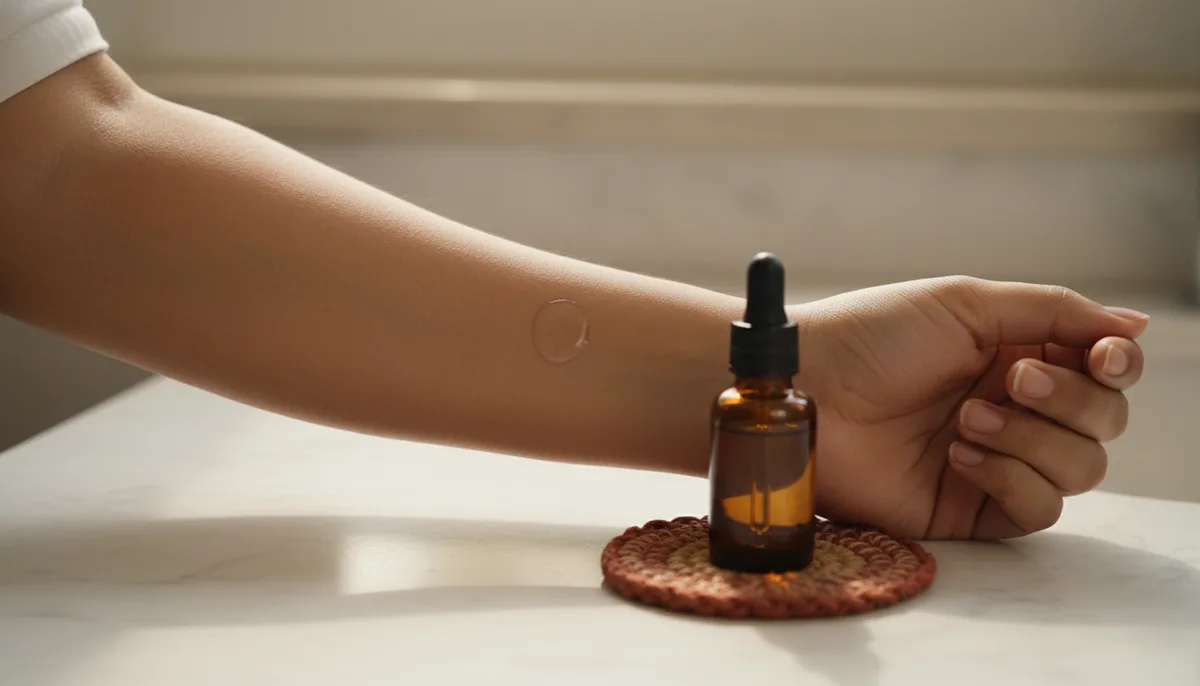
Sensitive skin reacts to certain ingredients - not just with fragrance but with anything topical. With concentrated oils, the risk is higher than with an alcohol-based EDT because the oil sits directly on skin without being diluted by ethanol.
Patch test first, always. Inside of the elbow, 24 hours, before committing to a full application. If you react, it's almost always to a specific ingredient rather than to perfume oils as a category, so it's worth trying a different scent before giving up entirely.
For sensitive skin, applying oil to clothing rather than directly to skin is a legitimate option for many people. The fabric carries the scent without skin contact. The drydown will be slightly different - fabric doesn't have the warmth of skin - but the longevity is excellent and often better than on skin anyway.
Smoother, less aggressive fragrances also tend to sit more comfortably. Woody and clean-leaning oils are generally easier to tolerate than very sharp spice-heavy blends. Start with something balanced and work outward once you know your skin is fine with it.
The Seasonal Variable

Skin type is not static. Most people's skin is oilier in summer and drier in winter. In India, this shift is dramatic. June through September, the humidity and heat push sebum production up. November through February, cold air and indoor heating (in northern cities especially) dry skin out noticeably.
This means your fragrance wardrobe isn't just about occasion - it's also about seasonal skin condition. A fragrance that disappears on you in December might last six hours on the same skin in July. It's worth keeping this in mind when you're deciding whether a scent is working or not. Give new oils a trial across different seasons before you write them off.
In winter, when skin tends to run dry, that's when heavier concentrated oils really justify themselves. Something with real density and depth, like Smoked Desire with its smoky, resinous character, has enough material that even on dry winter skin in Delhi, you're still getting a full-day performance if you've prepped with a moisturiser underneath.
Summary: Match the Oil to What Your Skin Actually Does
Here's the short version:
- Oily skin: go complex and layered - oud, spice, resinous woody blends. Apply light, let the skin do the work.
- Dry skin: moisturise first, then apply. Lean toward richer, denser oils - gourmands and deep woody blends hold up better through fast absorption.
- Combination skin: stick to balanced medium-density fragrances, apply on wrist and elbow rather than neck.
- Sensitive skin: patch test, consider applying to fabric, and start with smoother woody or clean profiles rather than aggressive spice-forward blends.
None of this requires you to overthink it. One targeted tweak - a moisturiser before application, or picking a denser oil for winter - can make a bigger difference than switching fragrances entirely. Know your skin, work with it instead of against it, and the oil will perform the way it's supposed to.